
14
LAGOS – Africa faces mounting economic strain as global shocks intensify, driven by Middle-East conflict disrupting energy, food, and fertiliser markets, say regional economic leaders.
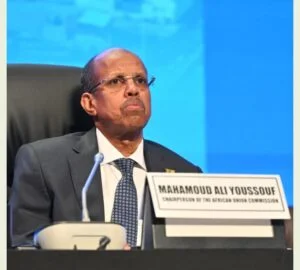
The leaders stated this in a media briefing on Friday after their meeting on the sidelines of ECA’s 58th session in Tangier, Morocco, as monitored virtually by newsmen. They include African Development Bank (AfDB), African Union Commission (AUC), UN Development Programmes (UNDP), and UN Economic Commission for Africa (ECA). They issued urgent recommendations to help African economies withstand volatility and build long-term resilience. Reports that the joint brief reflects growing concern over Africa’s exposure to external shocks, including geo-political tensions, climate impacts, and tightening global financial conditions. The leaders assessed the conflict’s widening impact and outlined coordinated policy responses for African governments. They emphasised the need for swift, coordinated interventions to mitigate immediate risks while positioning economies to better absorb future disruptions. “A continued escalation worsens global instability, with serious implications for energy markets and food security,” said Mahmoud Ali Youssouf, AU Commission Chairperson. He warned that African economies remain highly vulnerable to imported inflation, particularly from energy and food price spikes triggered by global crises. The report warned shocks now spread faster through concentrated channels, leaving African economies little time to adjust and exposing households to rising costs and hardship. It noted that supply chain disruptions and financial tightening amplify vulnerabilities, particularly in import-dependent and low-income economies. Oil prices have surged over 50 per cent since late March, while 29 African currencies have weakened, increasing debt servicing burdens and import costs. The currency depreciation has intensified fiscal pressures, limiting governments’ ability to respond effectively to rising social and economic demands. Disruptions to Gulf energy supplies threaten fertiliser access during the March–May planting season, risking lower yields and worsening food insecurity across vulnerable countries. This could trigger wider agricultural shocks, deepen rural poverty, and heighten the risk of humanitarian crises in already fragile regions. “Africa has been hit by too many external shocks not of its making,” said Claver Gatete of ECA, calling for decisive, forward-looking policy action. Gatete urged stronger domestic financing and regional solutions to protect citizens now while advancing energy security, food sovereignty, and economic independence. Gatete stressed that reducing reliance on external financing is critical to strengthening Africa’s resilience against recurring global disruptions. Ahunna Eziakonwa of UNDP stressed leadership and political resolve, saying Africa can emerge stronger with the right policy mix and financing tools. She highlighted the importance of inclusive growth strategies that prioritise vulnerable populations while promoting sustainable economic transformation. The brief outlined immediate measures to stabilise supplies and protect households, supported by governments, development partners, and private sector collaboration. These include targeted subsidies, strategic reserves, and emergency financing mechanisms to cushion the most affected populations. It also recommended medium-term reforms to strengthen energy security, expand social protection, and boost regional trade under the AfCFTA framework. Leaders said improving infrastructure and reducing trade barriers would enhance intra-African commerce and reduce dependency on volatile global markets. Long-term priorities include mobilising domestic resources and accelerating African financial safety nets, including the proposed African Financing Stability Mechanism. They emphasised building stronger institutions capable of managing shocks and supporting sustainable development across the continent. “As global crises multiply, Africa’s response must evolve,” said AfDB President Sidi Ould Tah, urging swift, coordinated action across institutions. He said leveraging each institution’s strengths would help address immediate pressures while laying foundations for long-term resilience and inclusive growth. Leaders said deeper regional integration and investment in energy, food, and trade systems would shift Africa from vulnerability towards preparedness and resilience. They concluded that the current crisis presents an opportunity to reset economic strategies and build a more self-reliant and shock-resistant continent. (NAN)
