
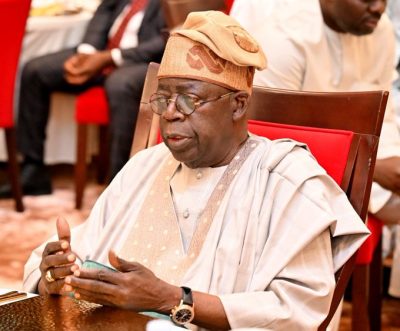
Nigeria marked 27 uninterrupted years of democratic governance on May 29, 2026, having sustained civilian rule since May 29, 1999.
According to President Bola Ahmed Tinubu, Nigerians have consistently chosen their leaders through the ballot box, witnessed peaceful transitions of power, and resolved political disagreements through the courts and legislative institutions rather than through violence.
However, as the President rightly noted, democracy must ultimately be felt in the pockets of the people.
Despite the democratic gains recorded over the past 27 years, many Nigerians continue to grapple with severe economic hardship. While the government has focused on reducing inflation, expanding food production, and creating employment opportunities, the reality of high living costs remains a major concern for households across the country.
Since assuming office in 2023, the Tinubu administration has embarked on a series of economic reforms aimed at restoring stability and credibility to Nigeria’s economic management framework. According to the government, these reforms have led to increased federation revenues, providing state and local governments with additional resources to invest in infrastructure, education, healthcare, and security.
The government also maintains that fiscal transparency has improved, revenue leakages have been reduced, and public funds are being directed more effectively towards national development priorities. These measures, it argues, have helped rebuild investor confidence, resulting in increased investments across critical sectors such as agriculture, energy, manufacturing, technology, mining, transportation, and the creative industries.
The ultimate objective of these reforms is to improve living standards, rebuild confidence in the economy, and create the conditions necessary for sustainable prosperity.
Furthermore, domestic refining capacity has expanded, strengthening Nigeria’s energy security and reducing dependence on imported petroleum products. In the power sector, efforts have been made to address long-standing challenges, including inadequate generation capacity, unreliable gas supply, and weak transmission infrastructure.
To tackle these structural problems, President Tinubu signed the Electricity Act, which seeks to liberalize the electricity market and encourage greater private-sector participation in power generation, transmission, and distribution.
From the perspective of the Federal Government, the Nigerian economy is gradually moving from uncertainty towards stability. President Tinubu has repeatedly stated that the next phase of his administration will focus on accelerating economic growth and ensuring that the benefits of reforms are felt in every home, community, and region of the country.
Nevertheless, the economic realities experienced by many Nigerians present a different narrative. Households and businesses continue to face significant pressure arising from rising costs, declining purchasing power, and economic uncertainty. While the administration argues that the reforms were necessary to advance Nigeria’s economic freedom and prevent a deeper fiscal crisis, the transition has imposed considerable short-term hardships on citizens.
Moreover, Nigeria’s public finances continue to face significant challenges, including mounting debt obligations, revenue constraints, infrastructure deficits, and the need for sustained economic diversification. These realities have raised important questions about the pace, effectiveness, and inclusiveness of the ongoing reforms.
As the nation celebrates 27 years of democratic governance and move on, the central question remains whether democratic consolidation can be matched by tangible economic progress that improves the welfare of ordinary Nigerians. While President Tinubu continues to pursue his vision of a better Nigeria, many citizens are eager to see democracy translate into greater economic opportunities, improved living standards, and a more prosperous future for all.
The bottom line
The true test of Nigeria’s democracy, therefore, lies not only in the conduct of elections and peaceful transfers of power but also in its ability to deliver economic development, social inclusion, and shared prosperity for its people.
While President Tinubu’s call for criticism of his government, we believe every core argument about the gap between democratic achievements and economic outcomes in Nigeria must be appreciated.
Adefolarin A. Olamilekan
Political Economists &
Host of The Market Report show Adbn Television Asokoro Abuja

