
By Our Reporter
ABUJA (PRECISE POST) – The Senate has called for the immediate recruitment of more judges for the Public Complaints Commission (PCC), warning that the agency’s current workforce is overstretched amid a surge in complaints from Nigerians.
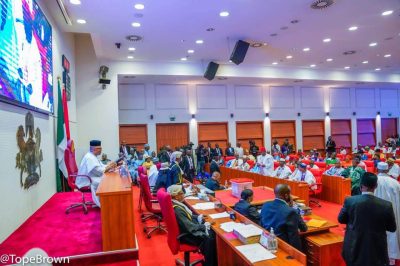
Chairman of the Senate Committee on Ethics, Privileges, Code of Conduct and Public Petitions, Senator Neda Imasuen (Edo South), made the call on Tuesday during the presentation of the 2026 budget estimates of agencies under the committee’s oversight.
Imasuen said the commission’s eight judges are grossly inadequate to cope with the heavy caseload.
“There are only eight judges; eight judges cannot, will not, be able to do the needful as they are statutorily required to do. So there’s going to be hiring of judges as well,” he stated.
Established under the Public Complaints Commission Act of 1975, the PCC serves as Nigeria’s ombudsman, investigating administrative injustices and providing free redress for complaints against government ministries, agencies and private organisations.
The commission handles cases ranging from abuse of office, wrongful termination, unpaid salaries and pensions to land disputes, bureaucratic delays and other forms of maladministration. It also mediates disputes between individuals and institutions, often preventing matters from escalating into prolonged litigation or communal crises.
Unlike conventional courts, the PCC offers its services free of charge, making it one of the most accessible channels for ordinary Nigerians seeking justice. With offices in all 36 states and the Federal Capital Territory, the commission operates as a grassroots complaint-resolution body, especially for citizens who lack the means to pursue lengthy court processes.
Imasuen disclosed that the commission received over 700,000 complaints in 2025 alone and successfully resolved more than 600,000 of them. According to him, many of the cases involved communal disputes that could have triggered major crises but were quietly settled.
“Over 700,000 cases came to the agency, PCC, and over 600,000 of those cases were adjudicated. Communal issues that would have created problems were resolved but didn’t make the headlines. The PCC is working. These are cases from ordinary Nigerians; they do it free, they don’t charge them, and the adjudication is also very quick,” he said.
The senator further noted that the volume of petitions received by his committee from lawmakers suggests that the actual number of complaints handled nationwide by the commission may be even higher.
“If we can project the number of cases we get from the distinguished senators to my committee, then we can probably imagine how many of those cases go to these offices in all of the 36 states and in our local governments,” he added.
The Senate’s push for additional judges is aimed at strengthening the commission’s capacity to sustain its role in delivering timely, affordable and accessible justice to Nigerians.

