
A recent study has found that an anti-inflammatory diet may help lower dementia risk even among people already at higher biological risk for the condition.
The study, published in the JAMA Network Open, analysed data from the Swedish National Study on Ageing and Care in Kungsholmen (SNAC-K).
SNAC-K is a long-term study that followed 1,865 adults aged 60 years and older who did not have dementia at the start of the study between March 2001 and August 2004.
Researchers assessed participants’ diets using detailed food questionnaires over six years and measured three blood biomarkers linked to Alzheimer’s disease and other forms of brain injury.
They also examined participants’ adherence to three dietary patterns: the Alternate Mediterranean Diet (AMED), the Alternative Healthy Eating Index (AHEI), and the reversed Empirical Dietary Inflammatory Index (rEDII), which reflects a diet with lower inflammatory potential.
The participants were then followed for an average of 8.4 years, with some tracked for up to 15 years, to determine who developed dementia. During the follow-up period, 240 participants were diagnosed with the condition.
According to Anja Mrhar, one of the study’s researchers, there is no single eating plan officially known as the anti-inflammatory diet.
Instead, the term describes an overall eating pattern associated with lower levels of chronic inflammation in the body.
Participants were not instructed to follow any specific diet. Instead, the researchers calculated each person’s dietary inflammatory index using detailed food questionnaires.
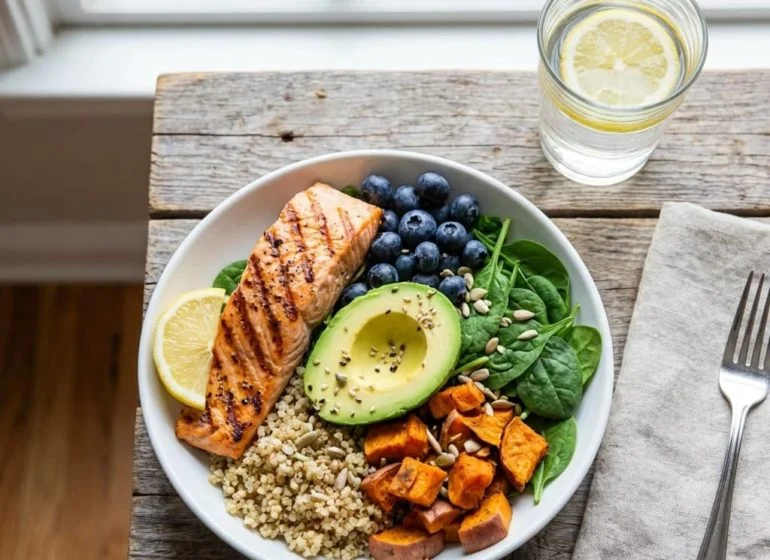
Those whose diets included more vegetables, fruits, nuts, legumes and whole grains, alongside fewer sugar-sweetened beverages, ultra-processed foods and red meat, were considered to have diets with lower inflammatory potential.
“The rEDII is based on how patterns of food intake have been associated with inflammatory markers in previous research. It therefore reflects a more specific inflammation-related dimension of diet quality,” he said.
The study found that among people with high levels of Alzheimer’s disease and brain injury biomarkers, following a diet with lower inflammatory potential was associated with a 29% lower risk of dementia.
However, the Mediterranean-style diet appeared to benefit only those with lower levels of the biomarkers.
Mrhar said the findings do not prove that eating an anti-inflammatory diet can prevent dementia entirely, but they support existing evidence that maintaining a quality diet may help protect brain health, particularly in older adults.
“Our study was observational, so it cannot prove that changing diet will improve prognosis or prevent dementia, including among people with early biological signs of disease,” he added.
“That said, the findings are consistent with the broader view that diet quality remains relevant for brain health. For older adults, including those concerned about dementia risk, it is reasonable to follow established healthy eating advice.”

