By Chibuike Nwabuko
ABUJA (PRECISE POST) — Nigeria’s security, intelligence, and regulatory agencies achieved major breakthroughs in September, disrupting terror cells, intercepting arms traffickers, rescuing kidnap victims, and dismantling drug syndicates nationwide.
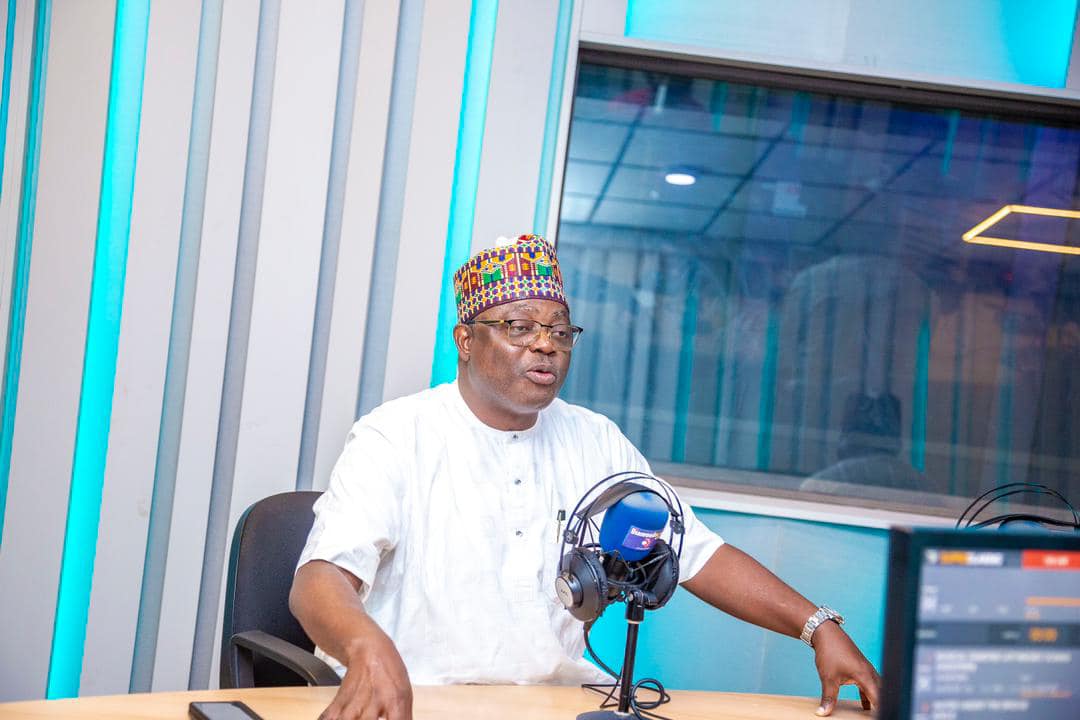
This was revealed on Monday during the October edition of the Joint Security Press Briefing (JSPB) hosted by the National Orientation Agency (NOA) in Abuja, where Director General Mallam Lanre Issa-Onilu hailed the “coordinated resilience” of state institutions under the Renewed Hope Agenda.
Mallam Issa-Onilu also emphasized that national security cannot be achieved by uniformed personnel alone, urging citizens to report suspicious activities, resist spreading misinformation, and comply with safety regulations. The media was called upon to amplify verified reports and promote peace-focused narratives. Institutions were reminded to strengthen anti-corruption protocols and embed public feedback into planning and reform. “Security is not just a government responsibility. it is a civic duty we all share,” the DG stressed.
Precise Post recalls that the monthly briefing aims to strengthen public understanding of government-led security operations and foster collaboration with citizens and the media.
According to the Joint Security Press Briefing, the Nigerian Armed Forces conducted 196 operations across the country, targeting insurgents, bandits, and violent criminals.
In Katsina, 76 kidnap victims were freed, while in Borno, 30 terrorists surrendered alongside their families. In Sokoto, Niger, and Anambra states, high-value insurgent collaborators were apprehended. Intelligence agencies intercepted arms traffickers smuggling assault rifles, PKT machine guns, and over 2,000 rounds of ammunition hidden in food supplies and vehicles. Drone surveillance and community tips played a critical role in these busts, signaling a shift from reactionary to preventive counterterrorism efforts.
Similarly, the National Drug Law Enforcement Agency (NDLEA) arrested 1,703 suspects and seized over 212,000 kilograms of narcotics, while dismantling 37 drug syndicates. Several drug lords were caught in Lagos, with direct links to insurgent financing.
Meanwhile, NAFDAC seized multiple containers of falsified medications, arrested 10 suspects, and launched its first-ever joint operation inside military barracks in collaboration with the Nigerian Navy.
On the rehabilitation front, the Nigerian Correctional Service enrolled 291 inmates for national exams, foiled drug smuggling attempts at Kuje, and expanded health and vocational programmes to aid reintegration.
Also, the Federal Road Safety Corps (FRSC) responded to 589 road crashes, rescuing 3,848 people. Sadly, 252 lives were lost, including five officers killed in the line of duty. The agency transitioned to a paperless administration with a new Electronic Document Management System and intensified public awareness through town halls and radio jingles.
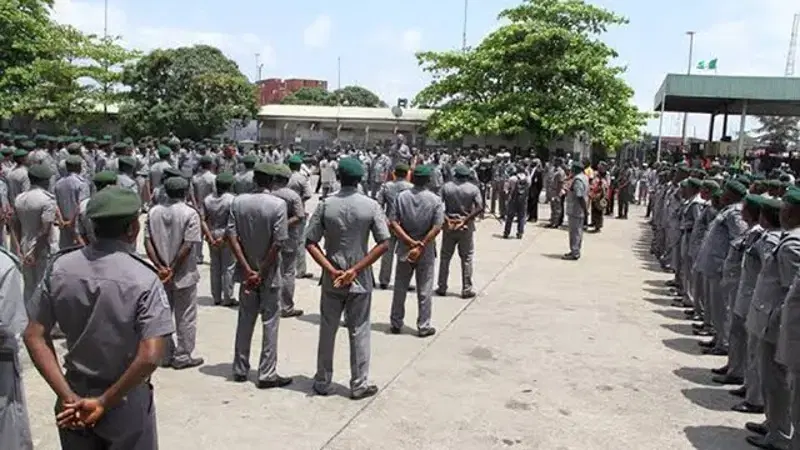
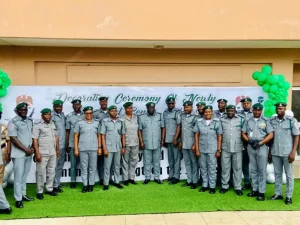
The Nigeria Customs Service generated a staggering ₦658.6 billion in revenue, seized arms and industrial drones, and launched a One-Stop-Shop platform to streamline cargo clearance and boost trade efficiency.
In the same vein, the Nigeria Immigration Service rescued 20 victims of human trafficking at Jibiya, deported 1,282 Nigerians, and processed over 13,000 visas. Meanwhile, the ICPC recovered ₦446 million in looted assets, secured three convictions, and established eight anti-corruption units across MDAs.
In a worrying trend, the Nigerian Financial Intelligence Unit (NFIU) flagged illegal mining as a significant source of terror financing, prompting new collaborations with international partners to trace illicit financial flows and freeze assets tied to terrorism.
Despite these impressive strides, key security challenges persist. Smuggling networks continue to exploit Nigeria’s porous borders, particularly with arms, drugs, and fake products. Banditry remains rife in parts of the North-West and North-Central, while communal clashes driven by land disputes and ethnic tensions strain local security efforts. Operational limitations, including logistical gaps, delayed procurements, and capacity shortfalls in cybercrime prevention, also hinder agency effectiveness in remote or tech-driven crimes.
The NOA has ramped up strategic communication to foster trust and transparency, pushing multilingual advisories and collaborating with traditional rulers, youth groups, and religious leaders. Issa-Onilu concluded by reinforcing the importance of trust in national unity: “Where there is trust, there is compliance. Where there is understanding, there is cooperation. Your vigilance saves lives. Your voice matters. Your cooperation strengthens national security.” As Nigeria continues to battle evolving threats, the call remains clear: public cooperation is the nation’s strongest weapon, the NOA DG stayed.