
By Chibuike Nwabuko
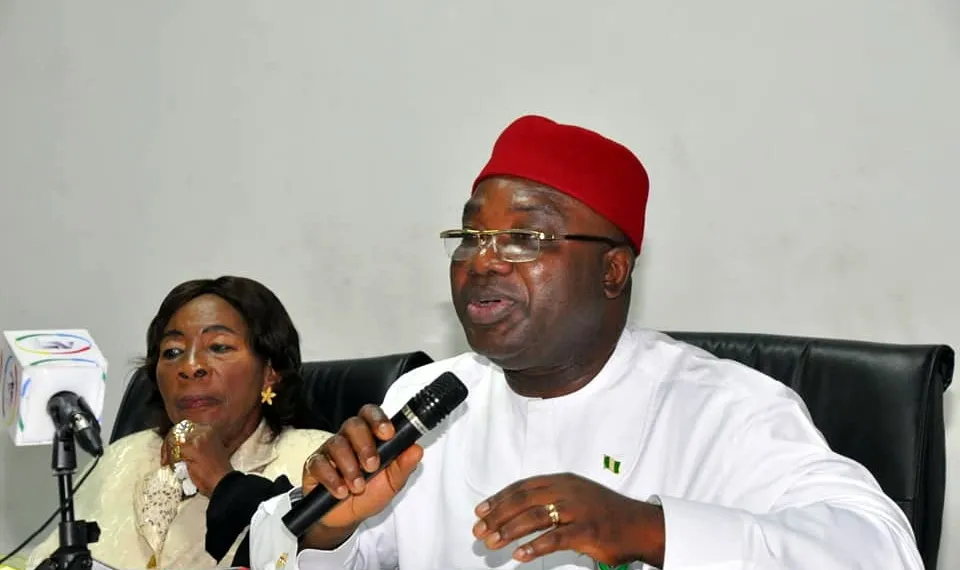
ABUJA (PRECISE POST) — The Executive Secretary of the National Human Rights Commission (NHRC), Chief Tony Ojukwu, SAN, has called on governments, businesses, civil society organisations, and citizens to take urgent and collective action to address climate change and environmental degradation, warning that failure to act poses a serious threat to human rights and sustainable development.
Ojukwu made the call in a statement signed by the
Director Corporate Affairs and External Linkages Department, NHRC, Fatimah Agwai Mohammed made available to Precise Post in Abuja.
The NHRC boss described climate change as one of the greatest challenges confronting humanity, noting that its devastating effects are becoming increasingly evident across Nigeria through recurrent flooding, desertification, drought, coastal erosion, and other environmental hazards.
He expressed concern over rising environmental pollution caused by industrial and urban waste, including plastic pollution, oil spills, and improper waste disposal, which continue to degrade ecosystems and endanger public health.
According to him, the consequences of climate change and environmental degradation have continued to undermine livelihoods, food security, access to clean water, and public health, particularly among vulnerable communities.
Ojukwu stressed that climate change should not be viewed solely as an environmental issue, but also as a critical human rights concern.
“The impacts of climate change threaten the enjoyment of fundamental rights, including the rights to life, health, food, housing, development, and a clean, healthy, and sustainable environment,” he said.
The Senior Advocate of Nigeria further noted that women, children, persons with disabilities, older persons, and low-income communities are often disproportionately affected by climate-related disasters and environmental challenges.
He therefore urged governments at all levels to strengthen climate action by enforcing environmental laws and investing in sustainable solutions such as renewable energy, afforestation, environmental conservation, and effective disaster-risk management.
Ojukwu also called on businesses and other stakeholders to adopt environmentally responsible practices and ensure that their economic activities do not undermine the rights and well-being of host communities.
Highlighting the Commission’s efforts in promoting environmental rights, he disclosed that the NHRC has collaborated with relevant stakeholders in developing the National Action Plan on Business and Human Rights, which incorporates environmental protection and environmental rights as essential elements of responsible business conduct and sustainable development.
Reaffirming the Commission’s commitment to environmental justice and climate resilience, Ojukwu emphasized that safeguarding the environment remains crucial to the protection and enjoyment of human rights.
He urged Nigerians to play active roles in protecting the environment and supporting initiatives aimed at building a sustainable future for present and future generations.
Precise Post recalls that World Environment Day is celebrated globally every year on June 5 to raise awareness and encourage action on pressing environmental issues.

