
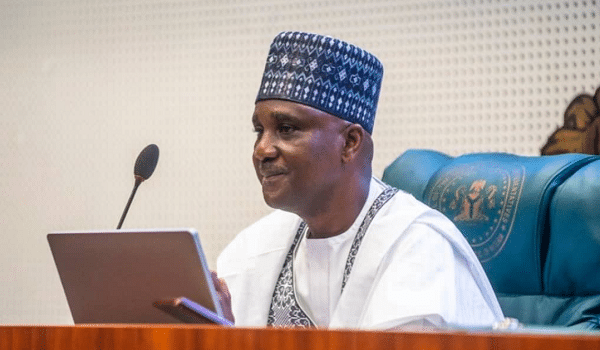
The Speaker of the House of Representatives, Rt. Hon. Tajudeen Abbas, has debunked recent media reports suggesting that the House is opposed to President Bola Ahmed Tinubu’s borrowing plans, describing such claims as inaccurate and misleading.
Speaking on Monday at the 8th Annual African Network of Parliamentary Budget Offices (AN-PBO) Conference in Abuja, Abbas clarified that the 10th House of Representatives, along with the broader National Assembly, remains fully supportive of the government’s strategic and responsible borrowing as a tool for national development.
Misrepresentation of House Leader’s Remarks
Abbas addressed the controversy surrounding a speech delivered by the House Leader at the recent West African Parliamentary Conference (WAPC), which he said was misreported by some media outlets.
“A speech delivered by the House Leader at the WAPC was erroneously and mischievously taken out of context, creating the false impression that the House of Representatives is against President Bola Ahmed Tinubu’s borrowing strategy,” he said.
“We wish to state categorically that this interpretation is both incorrect and misleading.”
Borrowing Is a Necessary Fiscal Tool – Abbas
The Speaker emphasized that borrowing, when executed transparently and for the right purposes, remains an essential instrument in addressing Nigeria’s developmental needs.
“The 10th House and indeed the National Assembly have consistently affirmed that, in the face of pressing developmental needs, strategic and responsible borrowing is an essential fiscal tool,” Abbas stated.
He noted that like other modern economies, Nigeria must sometimes leverage credit to finance critical infrastructure, stimulate economic growth, and protect vulnerable populations.
Focus on Infrastructure and Economic Growth
Abbas further stressed that under President Tinubu’s leadership, all borrowings are targeted, transparent, and aligned with Nigeria’s Medium-Term Debt Strategy, in accordance with global best practices.
“Borrowed funds are being directed toward transformative infrastructure projects in sectors such as power, transportation, and agriculture—not for recurrent or non-productive spending,” he noted.
“This approach will expand Nigeria’s revenue-generating capacity, support economic growth, and reduce poverty levels across the country.”
Call for Public Support and Oversight
The Speaker called on Nigerians to support President Tinubu’s administration, assuring them that all borrowings are guided by fiscal prudence, accountability, and a long-term vision for sustainable development.
“The House stands firmly behind the President’s vision of using judicious borrowing as a catalyst for growth and poverty reduction, while simultaneously strengthening legislative oversight to ensure accountability,” Abbas added.

