
Singer, Davido couldn’t contain his joy as his second daughter, Hailey, recorded herself vibing to one of his songs.
The proud dad shared the lovely video on social media with the caption “i too love this my daughter”

Watch the video below


Singer, Davido couldn’t contain his joy as his second daughter, Hailey, recorded herself vibing to one of his songs.
The proud dad shared the lovely video on social media with the caption “i too love this my daughter”
Watch the video below

The actor made the revelation in a Facebook post shared on Thursday, in which he expressed gratitude to the traditional ruler for what he described as a royal welcome, fatherly love, and the honour extended to him and his wife, fashion designer Abiodun Tokunbo, popularly known as Luminee.
“My deepest gratitude to His Imperial Majesty, Ooni of Ife. Baba, thank you for the royal welcome, fatherly love, and the confidence you gave my wife Afolashade Omiyinka and I,” Baba Ijesha wrote.
He added, “For the luxurious gifts you blessed us with, and the brand new car — I am truly humbled. As a son of the soil. I’m also honoured by the chieftaincy title Baba Awada Konge Oduwa. Ile Ife, Ile Oodua! … ATI IJOYE PELU GBOGBO OMO ILE IFE THANK YOU SIR/MA.”
The development comes weeks after Baba Ijesha and Luminee continued to attract mixed reactions online following a post announcing the birth of their son, which went viral on June 15, 2026.
Before the announcement, Luminee had revealed the gender of her baby in a post shared on June 13, 2026, without identifying the child’s father. She later shared additional posts, including maternity photographs featuring herself and Baba Ijesha, after which congratulatory messages poured in from fans and well-wishers.
Baba Ijesha was sentenced to three years’ imprisonment after being convicted of indecent treatment of a child and sexual assault of a minor. He regained his freedom in November 2025 after serving his jail term.
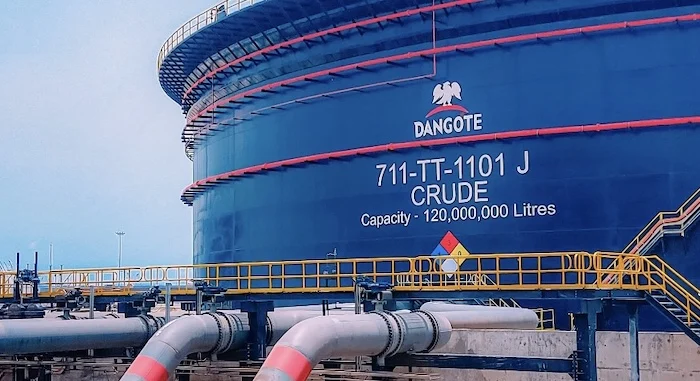
As crude prices crashed to about $70 per barrel following the gradual return of oil supply through the Strait of Hormuz, many Nigerians expected fuel prices to fall to levels recorded before the US-Iran war began on February 28.
However, prices have remained high, with only marginal reductions by the Dangote refinery, the country’s major supplier of petrol, diesel, and aviation fuel.
Since the fourth quarter of 2024, the Dangote refinery has been Nigeria’s price setter, taking over from the Nigerian National Petroleum Company Limited, which previously played that role when it was virtually the country’s sole petrol importer due to the absence of functioning refineries.
As calls intensify for lower fuel prices following the drop in global crude oil prices, many Nigerians are looking to the Dangote refinery. However, the refinery appears to be looking elsewhere.
In an exclusive interview with our correspondent, a senior official of the Dangote Group said the Federal Government should instead ask the importers it granted licences to reduce their prices.
The official, who requested anonymity because of the sensitivity of the matter, said he was surprised that importers bringing in cheaper Russian petrol had not reduced pump prices.
“The Federal Government has been giving huge quantities of import licences for the past few months. And the importers bring cheaper Russian products (cheaper because they are banned commodities). So, why are the importers not selling cheaper?” the source asked.
When told that importers might be waiting for the Dangote refinery to take the lead, he queried the assumption, saying, “How can they be waiting for us when their vessels are arriving every day?”
The source also disclosed that the refinery still holds significant volumes of crude purchased at higher prices, making an immediate crash in fuel prices difficult. He revealed that the refinery has massive crude storage capacity, while additional crude cargoes are still en route to Nigeria and others are under forward purchase agreements.
“We have huge crude oil storage capacity in our crude tank farm. Further, there would be crude oil in the ships, at different points, sailing from the country of origin to Nigeria. In addition, there would be crude oil under forward purchases, which have yet to be shipped. But, since the country trusts importers, let them go and sell at the low imported price plus profit,” he said.
The Dangote official also stated that the government was not supplying the refinery with sufficient crude, forcing it to rely on imported crude while exporting refined products. “The government is giving us small quantities of crude oil. So, we import our crude oil and export our products. If you say the masses will be at the receiving end, you should know that it’s a sad situation for the investor too,” he submitted.
Data from the Major Energies Marketers Association of Nigeria, a body with major fuel importers as members, showed on Wednesday that the landed cost of imported petrol was N1,023 per litre, while Dangote’s gantry price stood at N1,075.
Despite the lower landing cost of imported petroleum products, the reductions have yet to adequately reflect at filling stations.
Speaking with our correspondent, the National Publicity Secretary of the Independent Petroleum Marketers Association of Nigeria, Chinedu Ukadike, said importers remained cautious because of uncertainty over Dangote’s next pricing move, given the price wars witnessed in 2025.
“This business is like a ding-dong game. Dangote is a refiner. It is being sparked by these licences that were given to importers. And these importers are also very wary of Dangote’s antics and the strength of the price at purchase. So, it becomes very sceptical for importers to go out and continue to import unprecedentedly without watching what Dangote’s next move would be.
“Now, Dangote, in its own stance, is also talking about the old crude stock that it bought when the Strait of Hormuz was locked. And it needs to exhaust refining those crude stocks before it can reduce prices significantly. Though the refinery has been reducing prices gradually.
“I know that this price reduction is systematic. So, this is what I call a ding-dong game. Importers are wary that because of Dangote’s significant fiscal position in the oil and gas industry, it might make a drastic reduction that would affect those who have imported. And they will go home with a lot of losses; even we independent marketers are losing money with the recent reductions by Dangote,” Ukadike said.
Meanwhile, petrol loading prices at Nigerian depots recorded mixed movements on Thursday, with modest reductions dominating the Lagos market, while diesel prices also eased at some major depots, according to Petroleumprice.ng’s market report.
In Lagos, several depots reduced the price of Premium Motor Spirit by between N3 and N4 per litre. African Terminal, Bono, Emadeb, Integrated and Sahara cut their ex-depot prices to N1,117 per litre from N1,120, while Aiteo reduced its price to N1,115 from N1,118. Techno Oil also lowered its price by N4 to N1,117 per litre.
Dangote Refinery, MRS, NIPCO and Pinnacle retained their previous prices at N1,126, N1,125, N1,118 and N1,121 per litre, respectively, indicating that price adjustments remained selective across depots.
These reductions and price retentions were before Dangote announced a N50 cut in its gantry price for petrol on Thursday.
Diesel prices also softened in parts of the Lagos market. Dangote Refinery reduced its diesel loading price by N12 to N1,488 per litre from N1,500, while Duport cut its price by N5 to N1,450 per litre. Aiteo retained its diesel price at N1,450 per litre, while NIPCO’s price remained N1,460 per litre.
In Port Harcourt, the PMS market showed a firmer trend. Matrix increased its ex-depot price by N2 to N1,127 per litre, while Sigmund raised its price by N4 to N1,127 per litre. Bulk Strategic retained its price at N1,123 per litre, while Liquid Bulk was quoted at N1,121 per litre. Diesel prices remained unchanged, with Matrix maintaining N1,520 per litre and Sigmund retaining N1,518 per litre.
The depot price movements came as international crude oil prices continued to decline, with Brent crude trading around $71 per barrel on Thursday amid easing supply concerns following progress in US-Iran talks, raising expectations that fuel prices would continue to decline globally.
Baffled by the slow pace of price reductions in Nigeria, the Minister of State for Petroleum Resources (Oil), Heineken Lokpobiri, warned on Monday that the government would not tolerate profiteering and other practices that exploit fuel consumers.
Lokpobiri said that although the era of government-fixed petrol prices was over, deregulation did not mean regulators should abdicate their responsibility to protect consumers.
Speaking in Abuja, the minister acknowledged public concerns over the failure of refiners and importers to reduce gantry prices despite crude prices falling from a high of $120 per barrel during the US-Iran war to about $70 per barrel.
On Sunday, the Federal Competition and Consumer Protection Commission expressed concern over what it described as possible consumer exploitation in the downstream petroleum sector following the failure of fuel prices to decline significantly despite the sharp drop in global crude oil prices.
Reacting, fuel marketers declared that filling stations would stop selling petrol if the Federal Government attempted to enforce price controls.
The National Publicity Secretary of IPMAN, Ukadike, denied allegations of profiteering, saying many marketers were already operating at a loss following the series of price reductions by the Dangote refinery.
He warned, “Marketers will shut down if they try somehow to enforce price control. We are going to shut down our stations nationwide. You can’t be regulating a deregulated market. You can’t tell me how much to sell my product without trying to know how much I bought it.”
Nigerians are now waiting to see who will make the first move to reduce fuel prices as the government remains constrained by the realities of market deregulation.
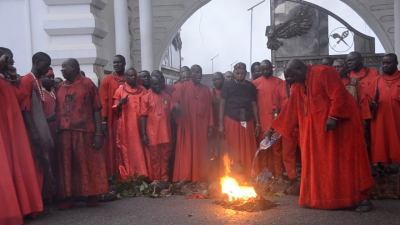
The Benin Monarch, Omo N’ Oba N’ Edo, Uku Akpolokpolo, Ewuare II, has placed a spiritual curse on k!dnappers, armed robbers, and all persons planning to commit evil in his kingdom and across Edo State.
Oba Ewuare II invoked the curse through priests and priestesses of all shrines, the Ewaise (traditional physicians), the Iwebo society, and Aiyelala.
The spiritual exercise began with a procession from the Oba’s Palace and peaked at the palace’s main entrance in Benin City.
The participants were dressed in ceremonial regalia and carried traditional spiritual objects. They poured libations, performed propitiatory rites and invoked ancestral spirits to bear witness against those responsible for acts of v!olence and those collaborating with them in any part of the state.


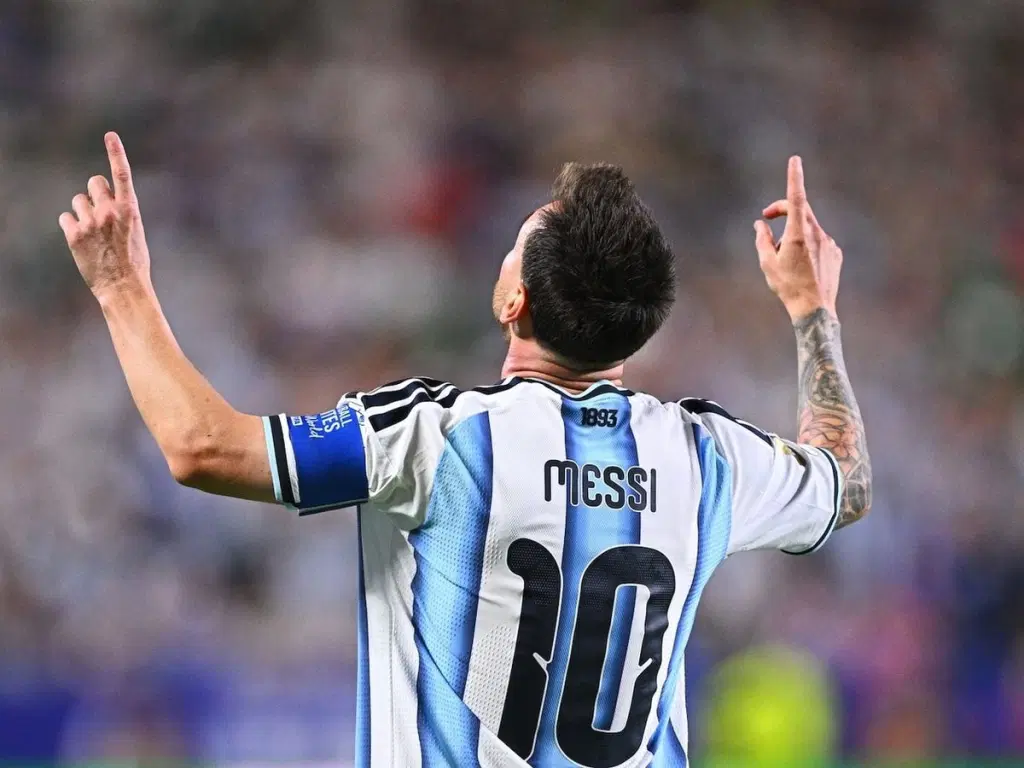
A classic David versus Goliath encounter will take centre stage at the World Cup on Friday as tiny Cape Verde face Lionel Messi and Argentina with a place in the last 16 at stake.
Cape Verde, the smallest nation ever to reach the knockout rounds, face the defending champions in Miami dreaming of pulling off what would be the greatest upset in World Cup history.
The Atlantic archipelago have become one of the fairytale stories of this year’s expanded 48-team tournament, confounding expectations by earning a draw with Spain before squeezing into the last 32 ahead of Group H rivals Uruguay and Saudi Arabia.
Argentina, who breezed into the knockout rounds with the help of six goals from captain Messi, will be expected to swat aside the African qualifiers to move one step closer to their dream of back-to-back World Cup titles.
But Cape Verde insist they will not be overawed by the occasion and the prospect of sharing a field with the reigning world champions and eight-time Ballon D’Or winner Messi.
“We are calm because we earned our place here on merit and there is nothing to fear or worry too much about,” Cape Verde coach Bubista said.
“We know the importance of the match ahead. It is the match of our lives, but we are going to enjoy it and give our best. There is no other thought in our minds than trying to advance past this round.”
Netherlands-born Cape Verde midfielder Deroy Duarte was similarly nonplussed, saying the minnows would relish the chance to make history.
“Everything is an honour and a reward, and we see Argentina as a game like this — another chance to make histor,” Duarte said.
“So why not? We will give everything and then at the end of the game we will see.”
Argentina coach Lionel Scaloni, who will mark his 100th game in charge of the South American giants in Friday’s encounter, insists his team will not be taking their opponents lightly, pointing to their unbeaten record in the group stage.
“This is a team that hasn’t lost,” said Scaloni.
“They aren’t here by accident. We have to respect them, and that is what we will do.”
A win for Argentina will see them into a last 16 game against either Australia or Egypt, who meet in Dallas on Friday.
Australia coach Tony Popovic has challenged the Socceroos to make history by winning their first ever World Cup knockout game.
“It will be a special match and we want to show Australian football on the world stage,” Popovic said on Thursday, adding that “if we perform well, we have a chance to make history.”
Egypt enter the game with fitness concerns swirling around talismanic former Liverpool Mohamed Salah, who is nursing a hamstring problem.
Coach Hossam Hassan said Salah would not be risked unless “I am 100 percent sure he is fit and raring to go.”
In Friday’s other game, Ghana, like Egypt, are hoping to buck what has been a disappointing start to the knockout rounds for African teams when they face Colombia in Kansas City.
So far, five of the nine African teams in the last 32 have been eliminated, with South Africa, Ivory Coast, Senegal, Democratic Republic of Congo and Algeria all heading for the exit. Only Morocco have made it through to the last 16.
Ghana coach Carlos Queiroz said he hopes to buck that trend against a dangerous Colombian team.
“We have to make it better,” Queiroz said of the African exodus. “So it is on our shoulders to be sure that we add another African team to the next round. That’s our duty.”
Algeria were eliminated in a 2-0 loss to Switzerland on Thursday as Portugal and Spain advanced to the last 16.
Portugal defeated Croatia 2-1 in a drama-filled game in Toronto, while Spain swatted aside Austria 3-0 to extend their incredible unbeaten streak to 35 matches
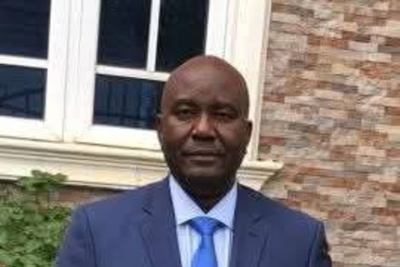
Former Secretary to the Benue State Government (SSG), Prof. David Salifu, has died after reportedly sustaining gunshot injuries during an attack by suspected kidnappers.
He was said to have escaped from the assailants but suffered gunshot wounds during the attack.
He was rushed to a hospital in Makurdi for treatment but was later confirmed dead on Thursday night.
Further details surrounding the incident are still emerging, while authorities are yet to issue an official statement on the attack.
Efforts to reach Police Public Relations Officer, PPRO, on the Benue Command were futile as she didn’t answer call.
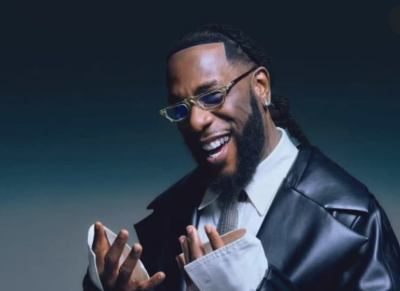
Burna Boy, the Afro-fusion titan and Grammy winner, turns 35 today. But this isn’t just a birthday; it’s a milestone for a man who has reshaped the sonic landscape of an entire continent and carried African music to heights few dared to imagine.
From his breakout moment to his current reign as one of the world’s most formidable voices, his journey is not merely worth acknowledging but demands reverence.
Born Damini Ogulu, the Afro-fusion icon first burst onto the scene with ‘Like to Party’, the lead single from his debut album L.I.F.E (2013). Since then, he has evolved into one of Africa’s most influential artistes, celebrated for his genre-defying sound and a string of hit albums that have dominated charts worldwide.
His other albums include ‘L.I.F.E’ (2013), ‘On a Spaceship’ (2015), ‘Outside’ (2018), ‘African Giant’ (2019), ‘Twice As Tall‘ (2020), ‘Love, Damini‘ (2022), ‘I Told Them‘ (2023) and ‘No Sign of Weakness’ (2025).
With 13 Grammy nominations, the most of any Nigerian artiste, Burna Boy clinched the ‘Best World Music Album’ award in 2021 for ‘Twice As Tall’.
The birthday boy marked his special day surrounded by family, friends, and his inner circle, who gathered to shower him with prayers and warm wishes.
BURNA BOY CELEBRATING HIS 35TH BIRTHDAY WITH HIS FAMILY AND TEAM… “PLEASE DONT WISH FOR CAR O.” — MAMA BURNA 😂🎂 pic.twitter.com/EXC07sjlXO
—benny. (@1BENNY7G) July 2, 2026
In honour of his 35th birthday, TheCable Lifestyle spotlights 10 timeless tracks that define his legacy:
Like To Party
Run My Race
Ye
On The Low
Gbona
Last Last
Anybody
Don Gorgon
City Boys
Killin Dem
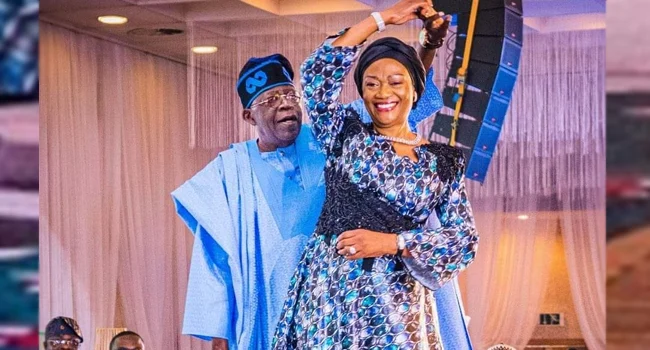
President Bola Tinubu on Thursday playfully referred to the First Lady, Senator Oluremi Tinubu, as “Iya Alakara” (Mama Akara Seller), in an apparent light-hearted reference to the recent controversy surrounding her remarks on small-scale businesses.
The President made the remark while observing protocol during his address at the Presidential Press Corps Dinner held at the State House, Abuja.
A video of the event was shared by Aso Rock TV on YouTube.
It showed Tinubu smiling as he acknowledged dignitaries in attendance before turning to his wife.
Watch the video below:
‘ , ,’
Credit: X | NigAffairs
—
Follow us for more breaking news and videos pic.twitter.com/lTt3dssH6B— Punch Newspapers (@MobilePunch) July 3, 2026
The nickname comes days after the First Lady urged Nigerian women to consider small-scale businesses such as selling akara (bean cakes), roasted corn and kuli-kuli through the Renewed Hope Initiative’s empowerment programme.
She had noted that such ventures “don’t take much money” to start.
The statement sparked widespread reactions o social media, with some Nigerians criticising the remarks as insensitive to the country’s economic challenges and accusing her of trivialising the hardship faced by many citizens.
However, the First Lady later clarified that the Federal Government’s empowerment programme was not limited to akara sellers but also covered traders dealing in tomatoes, pepper, vegetables, roasted plantain and other petty businesses.
She spoke on Monday during the inauguration of the newly constructed Abubakar Maje Haruna Hall at the Emir of Hadejia’s Palace in Jigawa State.
Addressing the criticism directly, the First Lady said the Federal Government had donated N100m to the Jigawa State Government to empower 2,000 petty traders in the state.
“Because of the atmosphere, what is going on, I’ve told Her Excellency that we’ve already given, donated about 100 million to her to use to empower 2,000 petty traders.
“And I know they’ve been talking that I said akara. It’s not only akara, we also have tomato sellers. We have boole, and those also selling pepper, selling vegetables for us in the market.
“We will continue to empower them and add to their resources so that their trade can really be sustainable. So that is what we are doing,” she said.
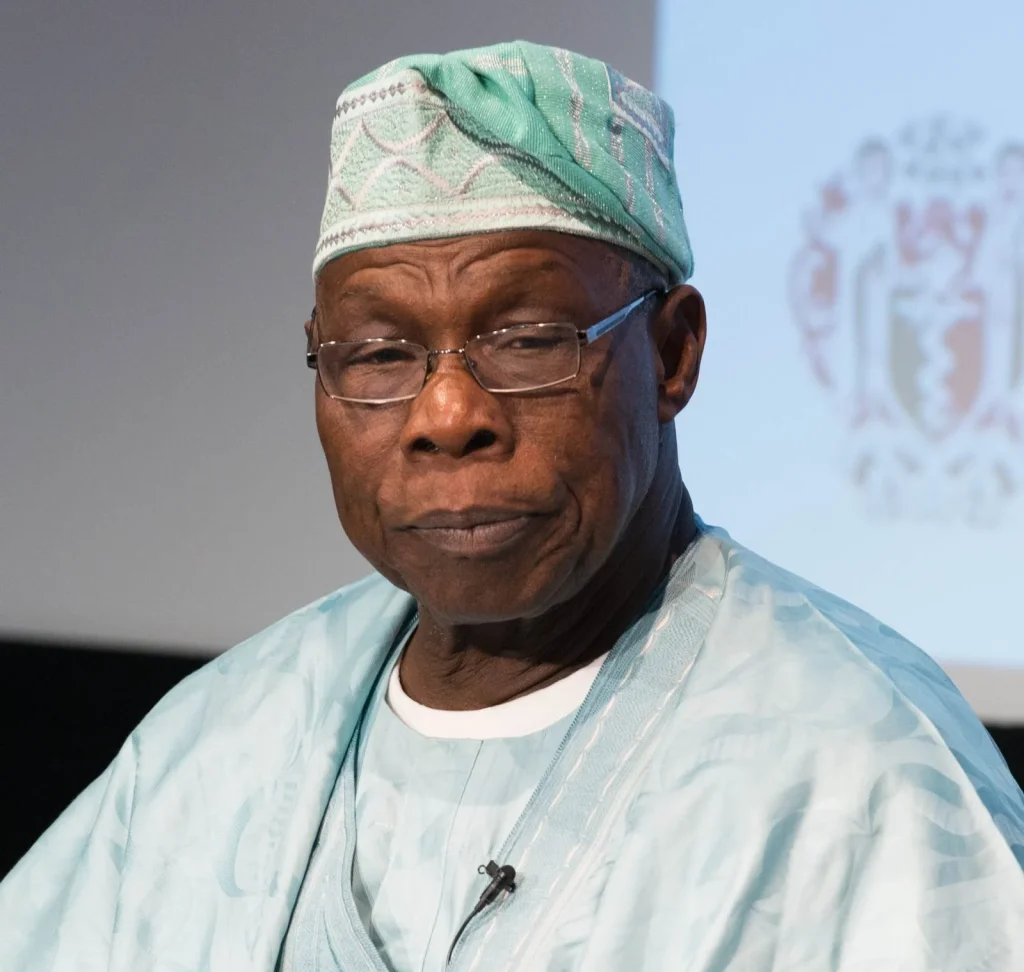
Former President Olusegun Obasanjo on Wednesday warned that many of the factors that triggered Nigeria’s three-year civil war in 1967 are still with the country, stressing that every effort must be made to prevent a recurrence of such a conflict, which resulted in huge losses of lives and property.
Obasanjo made the remark while receiving a book, research materials, videos and interviews of eyewitnesses documenting the Asaba Massacre and related events, compiled by the Chairman of the Asaba Memorial Trust and the Asaba Image Branding and Project Committee, Chief Chuck Nduka-Eze, at the Olusegun Obasanjo Presidential Library, Abeokuta.
He described the prospect of another civil war as unthinkable, insisting that the country had already fought “one civil war too many.”
He said, “What went wrong in the past is essential to preventing a repeat. We must do everything humanly possible to prevent its recurrence.”
He called on Nigerians to collectively adopt a “never again” resolve against civil war.
“Some of the things that led to the Civil War are still with us. How long will this remain so?
“I was with a colleague when Gen Yakubu Gowon said that we would not survive a second civil war as a country.
I believe we have fought one civil war too many already.
“To say that we will have a second civil war, God forbid.
We must understand what happened, condemn what should not have happened, and do everything humanly possible to prevent its recurrence.
“And then, for us to be able to say, ‘never again,’ what are we going to do to make that possible?
“Thank you very much for making people know about it, for people to learn from it, and for people to take a vow that it should never happen again. I will do everything possible to ensure that there is never again a civil war in this country,” he said.
The former President hailed Nduka-Eze for the effort to preserve history, saying the importance of documenting the past lies in helping the nation understand its history, learn from it and ensure such tragedies never happen again.
He added that at the Olusegun Obasanjo Presidential Library, part of its value is to preserve the past, capture the present and inspire the future, while emphasising that understanding the events surrounding the civil war, including the Asaba massacre, remains critical for national healing.
“We pride ourselves that we preserve the past, we capture the present, and we inspire the future,” he said.
The former president, who acknowledged his role as a soldier during the civil war, said he could not provide detailed accounts of the Asaba incident, noting that operations in that area were under the command of the late former Head of State, Gen Murtala Mohammed.
Obasanjo recalled that towards the end of the war, he was given key responsibilities to ensure that no further massacres occurred, stressing that abuses by soldiers were not condoned.
He narrated an incident in which he personally intervened to stop a soldier from assaulting a civilian, underscoring the importance of leadership accountability during wartime.
He also noted that former Head of State, Gen Gowon, had publicly acknowledged and apologised for the excesses of the war, stating that, at the highest level, actions such as the Asaba massacre were neither ordered nor condoned.
The former president, who commended Nduka-Eze for the work, promised to study the transcripts and audiovisual materials.
“At OOPL, we pride ourselves that we preserve the past, we capture the present, and we inspire the future. We capture the past, and this is the past; we want to capture it; we want to know about it.
“I must confess, and you know that I was involved in the civil war. When people talk about the Asaba Massacre, I always confess that I cannot give details of it,” he said.
Obasanjo also narrated how he prevented a soldier from raping a woman in Asaba, saying such an act would have attracted vicarious liability on his part as a commander.
Obasanjo maintained that documenting and teaching the history of the civil war and the Asaba Massacre were vital for national unity, adding that he would do everything within his power to ensure Nigeria never experiences another civil war.
Providing insight into the work on the Asaba Massacre, Nduka-Eze described it as a substantial and carefully cross-referenced body of evidence, including eyewitness testimonies, recorded interviews, archival materials, audio-visual documentation and established historical scholarship.
He said that across independent sources, a clear and consistent account emerges of events following the entry of federal troops into Asaba, then a civilian population centre in the Mid-West Region.
“The evidence establishes a recurring pattern. Civilians were assembled in public places under conditions of fear and uncertainty. During these assemblies, residents were required to proclaim allegiance to the Nigerian state, including being instructed to declare ‘One Nigeria’ and otherwise demonstrate loyalty.
“In a setting where identity and suspicion had become dangerously intertwined, these acts were understood by those present as affirmations of belonging and safety. Men were then separated from women and children. Thereafter, unarmed male civilians were killed in a manner consistently described across multiple independent accounts.
“Compliance with these demands did not secure protection. The sequence, repeated across testimonies, reflects a tragic contradiction in which individuals who openly affirmed their identity and loyalty as Nigerians were nonetheless killed in the most undignified manner by the same Nigerian state to which they had pledged allegiance.
“This sequence is corroborated by testimonies, documentary materials and scholarly works, and remains materially unchallenged. While precise casualty figures cannot be definitively fixed, the convergence of credible evidence points to a substantial loss of civilian life, more than a thousand men, and a profound rupture in the fabric of the Asaba community,” he said.
Nduka-Eze added that deep-seated ethnic suspicion, unresolved grievances arising from Nigeria’s first military coup and the failure to enforce accountability were among the factors that culminated in the Asaba Massacre and the 1967 civil war.
According to him, ethnic mistrust did not begin with the war but had already become entrenched before independence.
He noted that many of the issues that led to the civil war remained unresolved, with ethnic groups still relating to one another with suspicion.
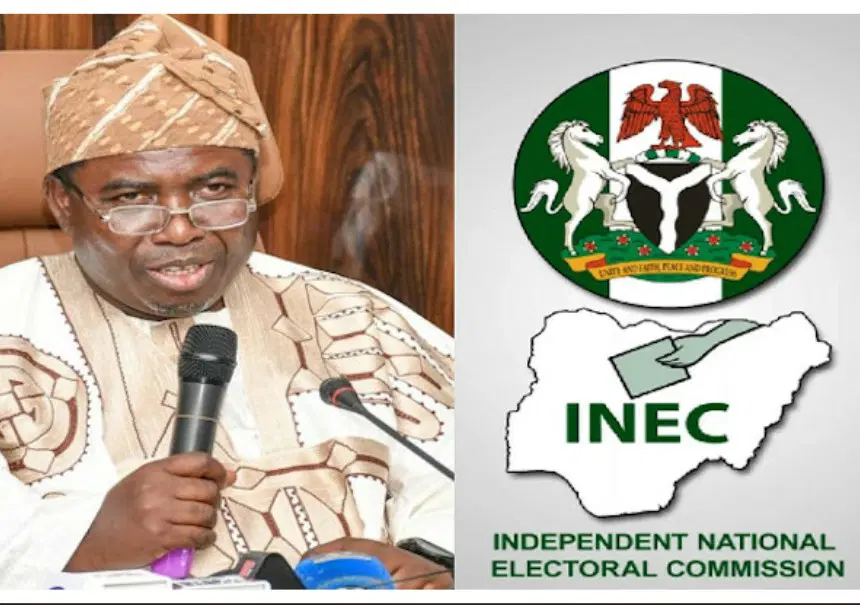
The Independent National Electoral Commission (INEC) has declared that the era of ballot box snatching and manual manipulation of election results is gone, assuring Nigerians that current technological safeguards are robust enough to protect every vote cast in the 2027 general elections.
The declaration was made on Wednesday, July 1 in Abuja during a courtesy visit to the INEC headquarters by the Director General of the National Orientation Agency (NOA), Mallam Lanre Issa-Onilu. Both institutions used the occasion to deepen collaboration on voter education ahead of the 2027 polls.
The INEC chairman, noting that the presidential election will hold on January 16 and governorship polls on February 6, 2027, said the commission must begin intensive civic engagement immediately, warning that voter apathy and disinformation remain dangerous threats to the integrity of the electoral process.
“We need to teach them why their vote matters and how our new legal and technological safeguards protect their choices,” the chairman stated. “We must look the rural farmer, the marketplace woman, and the disillusioned urban youth in the eye and explain to them, in the language they understand, that because of the current technological infrastructure, the era of snatching ballot boxes or rewriting results manually is gone.”
While acknowledging significant operational achievements recorded during the February 21 Federal Capital Territory (FCT) Area Council elections and the June 20 off-cycle Governorship election in Ekiti State, including over 90 per cent early opening of polling units, biometric authentication via the Bimodal Voter Accreditation System (BVAS), and swift result uploads to the INEC Result Viewing Portal (IReV)—the commission noted that both polls exposed a troubling undercurrent of voter apathy and widespread confusion among urban voters over polling unit splits and registration transfers.
“This is a clear indicator that while our technology is moving forward, civic familiarity with the evolving system is lagging. It is a loud diagnostic signal that far more needs to be done in the area of intensive, deep-rooted voter education, and it proves that we cannot afford to wait until the eve of the 2027 polls to start talking to our people,” the chairman said, emphasizing that advanced technology alone means nothing without an informed electorate. “We can purchase the finest BVAS machines, we can optimise the IReV to international standards, and we can map out the most logistical routes for material deployment. But all of these technological and administrative triumphs mean nothing if the citizens remain detached, cynical, or completely uneducated about the power of their votes.”
Describing the NOA as Nigeria’s premier organisation for civic orientation and the visit as “a vital meeting of minds”, the electoral body stated that the two institutions share a constitutional responsibility to educate Nigerians on democratic culture and must co-create a decentralized, grassroots voter education campaign that goes beyond telling people when to vote.
The commission called for joint campaigns against vote-buying and misinformation, urging that NOA field officers be equipped with accurate technical knowledge of INEC’s operations so they can serve as trusted community ambassadors ahead of the elections.
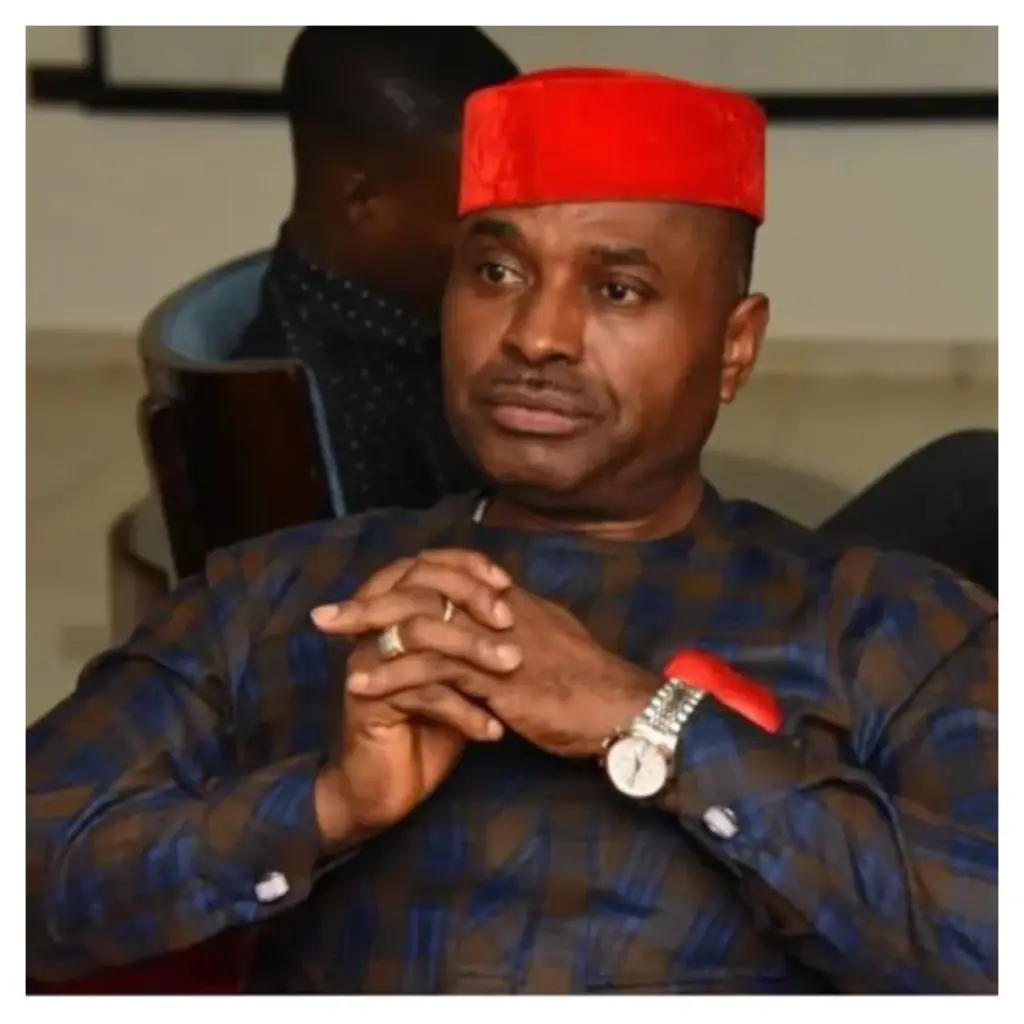
Former Vice President Atiku Abubakar has appointed actor-turned-politician and chieftain of the African Democratic Congress, ADC, Kenneth Okonkwo, as his spokesperson.
This came weeks after the politician openly criticised the party’s choice of vice-presidential candidate for the 2027 general election.
Okonkwo disclosed the appointment in a statement posted on his official X handle on Thursday, where he expressed appreciation to Atiku for entrusting him with the role.
“I give God all the glory to be appointed by His Excellency Atiku Abubakar as his Spokesperson. I thank HE AA for the immense confidence reposed in me,” he wrote.
The former Labour Party, LP, presidential campaign spokesperson described the appointment as a reflection of Atiku’s inclusive leadership style, noting that the former vice president prefers dialogue and consensus-building rather than hostility toward associates who express differing opinions.
“Rather than pick offence against any of his associates for expressing genuine reservations of any action taken, HE AA always opts for dialogue and compromise that will engender solution to problems,” Okonkwo stated.
He revealed that discussions held with Atiku and other leaders of the ADC addressed concerns surrounding the political interests of the South-East despite what he described as limitations created by the Electoral Act, 2026.
“At a dialogue with HE AA and other well-meaning members of the African Democratic Congress, the interests of the South-East have been discussed and guaranteed within the existing challenges posed by the Electoral Act, 2026, and the realities on the ground,” he added.
Okonkwo also expressed gratitude to Kashim Imam, former ADC National Chairman Ralphs Nwosu, and Atiku’s Senior Special Assistant on Special Duties, Ekene Onwuka, for their contributions toward strengthening the party ahead of the 2027 elections.
“My sincere gratitude to my family, fans, and friends for their support and prayers, which God answered in covering my errors and colouring my efforts to pave way for this appointment. I still covet your prayers for wisdom, courage, provision, and protection needed to carry out this challenging post, which will usher in a glorious and great Nigeria,” he said.
The appointment comes shortly after Okonkwo publicly faulted the ADC’s selection of its vice-presidential candidate for the 2027 presidential election.
He had warned that reports suggesting the party was considering a candidate from the South-South region for the vice-presidential slot could deepen what he described as the continued marginalisation of the South-East in Nigeria’s political structure.
According to him, such a decision would further deny the South-East the opportunity of producing either the president or vice president, a situation he noted had persisted since 1999.
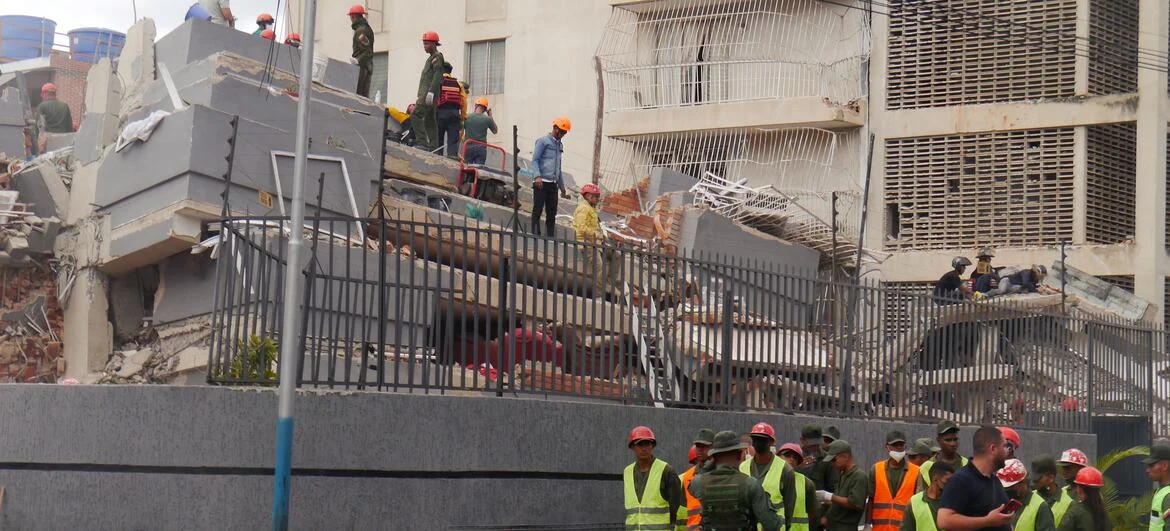
The miraculous story of the three-year-old’s rescue in the worst-hit northern region came as tens of thousands of people remained without adequate shelter after the 7.2- and 7.5-magnitude quakes struck less than a minute apart on June 24.
“As the death toll rises, needs are skyrocketing,” the UN refugee agency said in an online alert.
According to the authorities, nearly 2,000 deaths have been confirmed, and more than 6,400 people have been rescued so far.
Multiple UN agencies and partners remain on the ground in the hardest-hit areas, working alongside local authorities and aid partners to help families access shelter, healthcare, protection and other essential services.
“Every life matters,” the UN aid coordination office, OCHA, insisted on Wednesday, as national and international search and rescue teams remained on the ground in La Guaira.
Also helping to assess needs, UN Disaster Assessment Coordination (UNDAC) teams are continuing their work to know “where and for whom humanitarian assistance is needed”, UNDAC public information officer Veronique Durroux said.
In total, some 1,000 buildings, including hospitals, have been damaged or completely destroyed, along with more than 400 schools and water systems.
In response to the emergency, an initial 47-tonne shipment of humanitarian supplies from the UN Children’s Fund arrived in Venezuela on Tuesday.
Those supplies are in addition to a regional shipment from Panama that arrived on 28 June.
Combined, they will support more than 100,000 children and families over three months.
“UNICEF is on the ground and working around the clock to reach as many children and families as possible. The first flights with water, medicine and many other supplies have reached the country, and we are grateful for the solidarity. And we ask for donations to UNICEF because with more funds, we can save more lives, reach more children, and reach as many families as possible”, UNICEF’s Gabriel Vockel said, speaking in La Guaira.
The shipment – facilitated by the European Union via the UNICEF logistics hub in Copenhagen – includes emergency health kits for urgent medical care, supplies for safe births, newborn care, disease prevention and treatment.
Water purification and storage supplies have also been delivered, along with tents for child-friendly spaces and wheelchairs.
Other recreational and early childhood development supplies that have been sent are designed to help children regain a sense of normalcy and continue learning.
“Families across the affected states are in urgent need of safe water, as well as access to health care,” UNICEF Regional Director for Latin America and the Caribbean, Roberto Benes, said.
“Many are sleeping outside, afraid of more aftershocks. These supplies will help us reach children and families with what they need most right now…But the needs on the ground are far greater than what’s arrived.”
The agency estimates that some 680,000 children need humanitarian assistance across the six states affected by the earthquakes – the most significant seismic event to strike Venezuela in more than a century.
“Communities remain at risk from continuing aftershocks, which have numbered more than 600 since the initial quakes,” UNICEF noted.
UNICEF estimates that 52 million dollars is required to respond to the earthquake emergency, as part of its wider 2026 Humanitarian Action for Children appeal for Venezuela, which stands at 137.6 million dollars and was, prior to the earthquakes, only 35 per cent funded.
NAN
The application for Australia’s 2026 fully funded Research Training Programme scholarship is ongoing, offering Nigerian and other international students the opportunity to pursue Master’s by Research and Doctor of Philosophy degrees at participating Australian universities.
The scholarship, funded by the Australian Government, supports higher degree by research students through eligible Australian universities and covers full tuition fees, a living stipend and other research-related allowances.
According to information published on the Australian Government’s Department of Education’s website, prospective applicants cannot apply through a central government portal, as each participating university administers its own application and selection process.
The programme is open to both domestic and international students, including Nigerians, provided they meet the admission and English language requirements of their chosen university.
The RTP replaced the Australian Postgraduate Award, International Postgraduate Research Scholarship and Research Training Scheme in 2017 and is designed to support research training while producing graduates equipped for careers in academia, industry and other sectors.
Successful applicants may receive support covering tuition fees, a stipend for living expenses and allowances related to the ancillary costs of undertaking higher degree research.
For 2026, the full-time base RTP stipend is valued at AUD 34,315 per year, while some universities may offer higher stipends depending on their funding arrangements.
The scholarship is available for up to two years for Master’s by Research students and up to four years for PhD candidates studying full-time.
Applications are currently open through participating universities, with deadlines varying by institution.
While some universities have application rounds closing between July and October 2026 for early 2027 admission, others operate different admission cycles throughout the year.
Prospective applicants are encouraged to identify universities that align with their research interests, prepare the required documents, including a research proposal, curriculum vitae, academic transcripts, referee reports and proof of English proficiency, and submit their admission and scholarship applications through the university’s graduate research portal.
The Department of Education advised prospective students to contact their preferred university directly, noting that there is no single application portal for the scholarship.
Note:
Applicants are advised to consult the website of their preferred university for specific eligibility criteria, deadlines and application requirements before submitting their applications.
Application guide: https://www.education.gov.au/research-block-grants/research-training-program

Former Nigeria international Garba Lawal has urged Super Eagles head coach Eric Chelle and the Nigeria Football Federation to make qualification for the 2030 FIFA World Cup their foremost objective, warning that the country cannot afford a third successive absence from football’s biggest stage.
Lawal, who was part of the Super Eagles squad that reached the round of 16 at the 1998 World Cup in France, said securing a place at the tournament must take precedence over every other ambition on the NFF’s agenda, insisting that Nigeria’s standing in world football demands consistent representation at the quadrennial showpiece.
“World Cup qualification must be our top priority. Nigeria cannot afford to miss another edition because the country belongs on that stage,” Lawal said.
The former Super Eagles midfielder welcomed the NFF’s decision to extend Chelle’s contract beyond the 2026 cycle, describing it as a positive and necessary step that will provide the Franco-Malian tactician with the stability required to implement his long-term vision for the team.
Lawal argued that continuity within the technical crew is among the most critical factors if Nigeria is to rebuild its standing among Africa’s elite footballing nations.
“The contract extension gives the coach confidence and stability. It allows him to settle down, understand the players better and build a team for the future,” he said.
Nigeria’s failure to qualify for the 2026 World Cup in North America extended what has become a troubling pattern for a nation that was once considered among Africa’s standard-bearers on the global stage. The Super Eagles missed the 2022 edition in Qatar after a painful play-off defeat to Ghana on away goals and repeated that disappointment four years later, finishing second to South Africa in Group C before losing to the Democratic Republic of Congo on penalties in the African play-offs.
Chelle, who was appointed in January 2025 and inherited a squad with just three points from four qualifying matches, has since stabilised the team considerably.
Across 27 international matches as head coach, he has recorded 16 wins, nine draws and only two defeats — a record that earned him a contract renewal despite the World Cup setback.
Lawal acknowledged the progress made under Chelle’s stewardship but stressed that it must now be channelled into a structured, deliberate qualification campaign for the 2030 edition, which is scheduled to be held across Spain, Portugal, Morocco and South America. He called on players, coaching staff and football administrators to align their efforts with that singular goal, noting that sustained planning and consistency are the twin pillars on which Nigeria’s return to the World Cup must be built.
He also stressed that the lessons of consecutive qualification failures must inform how the NFF and technical staff approach the next campaign, urging all stakeholders to prioritise the collective cause over individual interests and to ensure the Super Eagles return to the stage where the country’s football tradition has historically been celebrated.
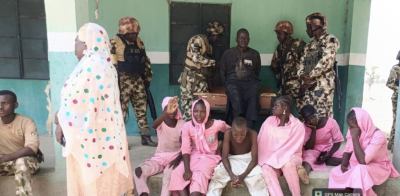
The names of 36 students of Government Day Secondary School, Lassa, in Askira/Uba LGA of Borno state abducted on Monday have been made public.
The students were among candidates writing the National Examinations Council (NECO) examination on Monday when armed men stormed the school and abducted dozens of candidates, taking them to an unknown destination.
Troops of the Nigerian Army later rescued 10 of the victims after engaging the fleeing attackers in a gun battle.
On Tuesday, families of the abducted students said dozens of candidates were still unaccounted for as efforts to locate them continued.
Reports indicate that the Borno state government on Tuesday opened a register for families to report missing persons.
According to the Daily Trust, about 36 names have been recorded so far, comprising 11 male and 25 female students.
One is said to be an SS3 student, 17 are in SS2, while 18 are in SS1.
Below are their names.
1. Wamdai Adani
2. Partsi Simon
3. Fati Shehu
4. Lydia wazamdai
5. Samuel Emmanuelle
6. Dauda Joshua
7. Martha Hassan
9. Monday Jamul
10. Joshua Hassan
11. Suzuna Sunday
12. Maryam Abdul Aziz
13. Zakariyya Samson
14. Bitrus Munda
15. Lucy Emmanuel
16. Rebecca Joshua
17. Esther Ibrahim
18. Esther Hamman
19. Deborah Emmanuel
20. Presilla Isuwa
21. Victor Monday
22. Victoria Waziri
23. Destiny Silas
24. Sundra Sunday
25. Paulina Oga
26. Mary Sine
27. Samuel Timothy Abba
28. Raju Wadzani
29. Godiya Margirmari
30. Janada Danjuma
31. Ibrahim Ijaj
32. Margret Ijaj
33. Kwoji Yohanna
34. Martha Wajau
35. Gabriel Dauda
36. Laraba Anthony

Harvey Weinstein, the Hollywood film producer, has been rushed to the hospital after reportedly suffering heart failure due to pneumonia while in prison.
According to TMZ, Weinstein was taken to Bellevue Hospital’s prison ward in Manhattan two weeks ago after experiencing breathing difficulties.
He is reportedly being treated for pneumonia with antibiotics and remains on an IV and heart monitor as doctors continue to monitor his condition.
The 74-year-old has faced multiple sexual misconduct allegations over the years, with several women, including Lupita Nyong’o, the Kenyan-Mexican actress, accusing him of abuse. Nyong’o detailed her personal experiencewith Weinstein in 2017.
The allegations against Weinstein helped fuel the #MeToo movement, which saw thousands of women publicly accuse powerful figures across business, politics and the entertainment industry of sexual misconduct.
In December 2019, Weinstein agreed to pay $25 million to settle claims brought by dozens of women who accused him of sexual misconduct.
Weinstein was convicted in 2020 of rape and a criminal sexual act and sentenced to 23 years in prison.
Although that conviction was later overturned, he was reconvicted in 2025 of sexually assaulting a different woman.
In 2023, he was also sentenced to 16 years in prison after being convicted in Los Angeles of one count of rape and two counts of sexual assault.
Weinstein has also battled several health challenges during his incarceration. In October 2024, he was diagnosed with chronic myeloid leukaemia and was hospitalised again in December after concerning blood test results.
