
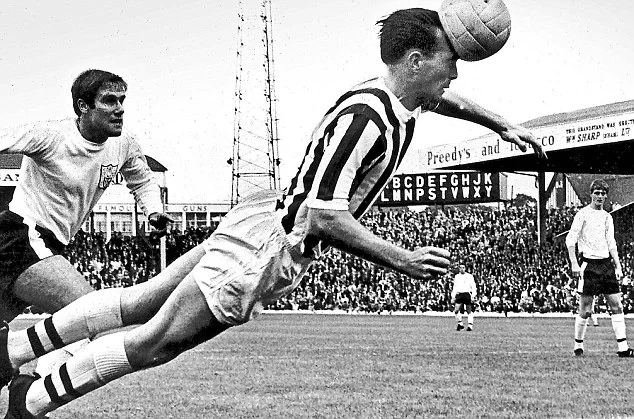
A recent study has found that retired footballers are at a greater risk of depression, anxiety, and cognitive decline in midlife compared to the general population.
The study, presented at the 2026 Alzheimer’s Association International Conference, analysed 142 former professional footballers aged between 30 and 60. The participants included 126 men who held full-time professional contracts in England for at least three years and 16 women who competed in the top two tiers of the UK’s women’s league.
The researchers compared the players with 56 people of similar age who had neither played contact sports nor served in the military, and who had neither experienced repeated head impacts nor neurological conditions, to assess the long-term neurological effects of professional football.
The findings showed that 31% of the former players had clinically significant symptoms of depression, compared with 22% of those in the comparison group. Meanwhile, 42% showed clinically significant symptoms of anxiety, compared with 25% in the other group.
Brain scans also showed that the retired footballers had less brain tissue in areas responsible for memory, attention, decision-making, and emotional control than those in the comparison group.
Overall, the former players had smaller brain volume than the comparison group.
The researchers also found signs of abnormal brain shrinkage associated with neurodegenerative diseases in about 2% of the retired players.
However, they said further studies are needed to determine what the finding means.
Caleigh Lynch, the study’s lead author, said it is still unclear whether playing football for many years caused the brain problems or whether people who become professional footballers were already naturally different before they started playing.
“We don’t know if this is something that’s due to playing soccer for a long time and those repetitive head impacts, or is it something that is intrinsically different for people who decide to play soccer professionally and who are good at soccer,” he said.
In 2019, research conducted by medical experts at Glasgow University in the United Kingdom found that former professional footballers are three and a half times more likely to die of dementia.

