
By Our Reporter
ABUJA (PRECISE POST) – A development expert and President of the Africa Development Studies Centre (ADSC), Sir Victor Oluwafemi, has called on Nigerian governors to focus strictly on governance and leave political leadership to established party leaders, warning that the persistent confusion of roles is fueling instability across the country.
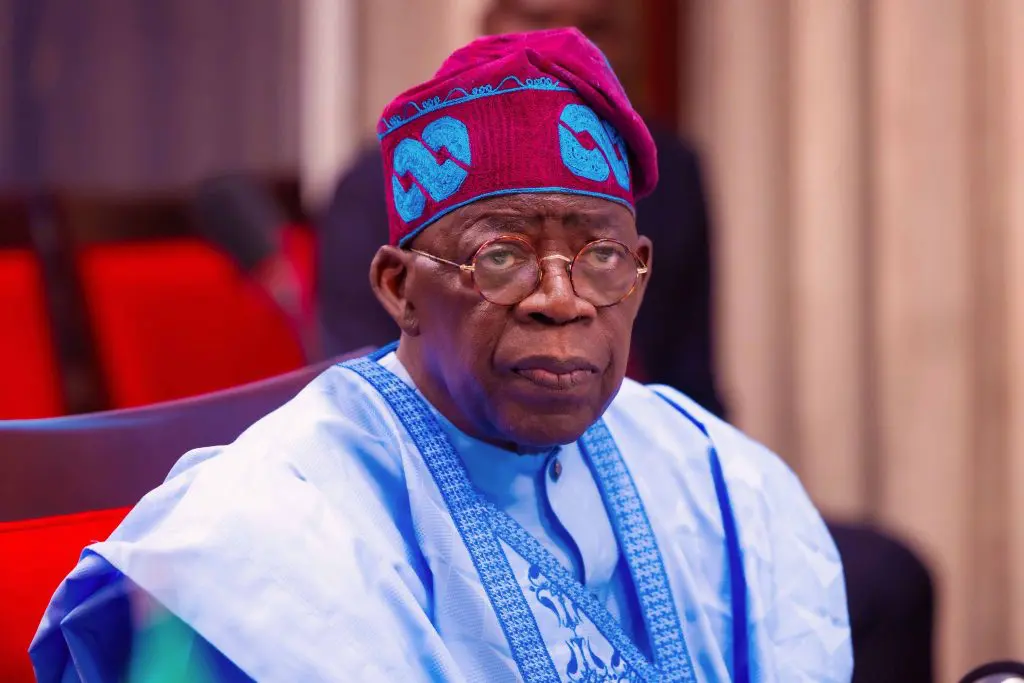
In a statement issued on Wednesday, Oluwafemi said President Bola Ahmed Tinubu has taken a decisive and commendable step by clearly separating executive authority from political leadership, particularly in his intervention in the Rivers State political crisis.
According to Oluwafemi, Nigeria’s recurring political turmoil is not accidental but stems from a long-standing refusal to acknowledge that being elected governor does not automatically translate into being a state’s political leader.
“The Rivers State situation has merely exposed a problem that exists across the federation,” he said, describing President Tinubu’s intervention as “timely, necessary, and deserving of national commendation.”
He explained that the President reportedly made it clear that while Nyesom Wike remains the political leader in Rivers State, any move to impeach Governor Siminalayi Fubara must stop immediately.
Oluwafemi noted that the directive simultaneously acknowledges political reality and protects constitutional order.
“A governor is the chief executive of a state, entrusted with governance, policy execution, and service delivery,” he said. “Political leadership is a different concept entirely. It is built over time through party structures, political machinery, coalition control, and influence that often extends beyond a single electoral cycle.”
To support his argument, Oluwafemi cited examples from across the country. In Borno State, he said, Governor Babagana Zulum oversees governance, but major political decisions remain anchored by Vice President Kashim Shettima.
In Lagos State, Governor Babajide Sanwo-Olu manages the executive arm, while the political direction of the state is widely understood to be shaped by President Tinubu. He also referenced Katsina State during the era of the late Muhammadu Buhari, when governors administered the state but political authority rested with Buhari.
“These examples show that political stability exists where roles are clearly defined and respected,” Oluwafemi said, adding that problems arise when governors attempt to collapse political leadership into executive authority.
He warned that such attempts often lead to confrontation, legislative sabotage, betrayal, and governance paralysis, a pattern he said has repeated itself across Nigeria.
Oluwafemi urged political parties to stop misleading the public by portraying governors as automatic political leaders in all circumstances. “Office does not erase political lineage,” he said. “Executive power does not cancel political reality.”
He concluded that President Tinubu’s handling of the Rivers State crisis reflects statesmanship and political maturity, as it restores a long-ignored distinction while firmly rejecting the use of impeachment as a political weapon.
“Governors must govern. Political leaders must lead politically,” Oluwafemi said. “Democracy only stabilises when each understands and respects their lane.”

