By Our Reporter
ABUJA (PRECISE POST) – Human rights lawyer and public affairs commentator, Prof Chidi Odinkalu has reflected on the events that led to the Nigerian Civil War, describing this period as one of the most consequential anniversaries in Nigeria’s post-colonial history and raising questions about whether the country has fully healed from the conflict more than five decades later.
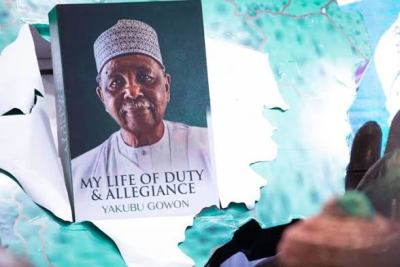
In remarks shared on his X handle on Saturday, Odinkalu recalled that on May 27, 1967, then Head of State, General Yakubu Gowon, created 12 states from Nigeria’s four regions, a move that transformed his political dispute with the Military Governor of the Eastern Region, Colonel Emeka Odumegwu Ojukwu, into what he described as a territorial issue.
According to Odinkalu, three of the newly created states emerged from the Eastern Region, accounting for about 25 per cent of the new state structure.
He noted that the decision prompted an emergency meeting of Eastern Region leaders in Enugu, where participants reportedly urged Ojukwu to declare the secession of Biafra.
Odinkalu said that after three days, Ojukwu, whom he described as reluctant and under pressure, announced the establishment of the Republic of Biafra on May 30, 1967, a move that made armed conflict almost unavoidable.
He further recounted that hostilities formally began two months later with fighting in Gakem, marking the start of a war that lasted for 30 months.
The civil war ended on January 15, 1970, following Biafra’s surrender and Nigeria’s military victory.
While acknowledging that Nigeria won the war, Odinkalu questioned whether the country had done enough to achieve lasting reconciliation and national healing.
“Nigeria won the war. But did it do enough to win the peace? Has the Civil War truly ended?” he asked.
Precise Post recalls that his remarks come as Nigerians mark key anniversaries associated with the events that culminated in the outbreak of the civil war, one of the most defining and tragic episodes in the nation’s history.