
Comedian AY Makun has reacted to the sad news of the demise of actor Alex Ekubo.
In a post shared on IG, AY said he ‘saw Alex smiling even in de@th.’


Comedian AY Makun has reacted to the sad news of the demise of actor Alex Ekubo.
In a post shared on IG, AY said he ‘saw Alex smiling even in de@th.’

The United States announced Friday that it would organise a repatriation flight for the 17 Americans aboard the MV Hondius, where three passengers have died, and others have fallen sick.
Health officials have called for calm following a widespread scare, saying the Hantavirus disease is nowhere near as serious as COVID-19.
One of 17 American citizens being repatriated from a hantavirus-hit cruise ship has tested mildly positive for the virus, the US health department said on Sunday.
“One passenger currently has mild symptoms and another passenger tested mildly PCR positive for the Andes virus,” the Department of Health and Human Services said.
Both passengers are currently travelling in the plane’s biocontainment units “out of an abundance of caution,” it said.

The development has sent panic waves across the United States, with Jay Bhattacharya, acting director of the Centers for Disease Control and Prevention (CDC), urging the US public to remain calm about the hantavirus, saying: “This is not Covid.”
AFP quoted a top US health official on Sunday that American passengers evacuated from a cruise ship struck by a deadly hantavirus outbreak will not necessarily be quarantined.

The United States announced Friday that it would organise a repatriation flight for the 17 Americans aboard the MV Hondius, where three passengers have died, and others have fallen sick. The ship has arrived in Spain’s Canary Islands.
The US passengers, all of whom are asymptomatic, will be taken to a specialised center in the rural state of Nebraska, but will not necessarily be quarantined there, Bhattacharya told CNN’s “State of the Union” news program on Sunday.
“We’re going to interview them and assess them for risk… if they have been in close contact with somebody who was symptomatic,” he said.

The biocontainment unit at the University of Nebraska Medical Center was activated ahead of the arrivals, with passengers “expected to land in Omaha early Monday morning,” spokesperson Kayla Thomas said in a statement.
“One passenger will be transported to the Nebraska Biocontainment Unit upon arrival,” Thomas said, because the person “tested positive for the virus but (does) not have symptoms.”
The other passengers will go to the National Quarantine Unit for assessment and monitoring, Thomas added.

Following this assessment and depending on the estimated risk, passengers will be allowed “to stay in Nebraska if they’d like, or if they want to go back home, and their home situation allows it, to safely drive them home without exposing other people on the way,” Bhattacharya said.
In either case, passengers will remain under observation for several weeks by health authorities to ensure they do not develop symptoms, he said, as happened with seven other Americans who left the ship earlier in the journey.
According to the CDC, “people are generally only contagious when they exhibit symptoms.”

Bhattacharya said the same protocol was followed during a 2018 outbreak “of this exact strain of the hantavirus,” which was successfully contained.
Responding to criticism that there has been limited communication from US health authorities about the hantavirus risk — six years after the Covid-19 pandemic — he said the situations were not comparable.
“If the threat level were higher, then we would have obviously reacted differently,” Bhattacharya said.
“This is not Covid,” he said. “We shouldn’t be panicking when the evidence doesn’t warrant it.”
Upon arrival, “each person will undergo clinical assessment and receive appropriate care and support based on their condition.”
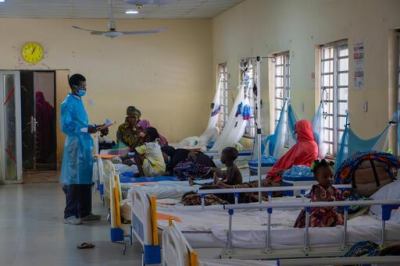
IBADAN – Prof. Abiodun Otegbayo, the Chief Medical Director (CMD), University College Hospital (UCH), Ibadan, has attributed migration of skilled health workers to the slow progress of effective digitalisation of medical operations in public hospitals.
Otegbayo said this in an interview with newsmen in Ibadan on Sunday while speaking on challenges confronting the implementation of Electronic Medical Records (EMR) and other digital healthcare systems.
According to him, hospitals invest resources in training personnel on digital systems only to lose them shortly afterwards to opportunities abroad.
“One of the things we have observed in the health sector is the issue of human capital loss, what people refer to as ‘japa’.
“If you train somebody today, in two months’ time, the person may leave and you have to start training another person again,” he said.
The CMD said that the situation had made it necessary for the hospital to continuously train large numbers of staff to sustain ongoing digitalisation efforts.
He explained that UCH was currently training “super users” across departments, including doctors, nurses, pharmacists and laboratory scientists, who would in turn train others within the system.
According to him, the hospital is gradually transitioning from paper-based operations to a hybrid system combining manual and electronic medical processes.
Otegbayo said the hospital had recently engaged a new Electronic Medical Records (EMR) service provider following the disengagement of a previous provider in November 2025.
“We are trying to expand the electronic medical records system gradually across departments.
“But sustaining trained manpower remains a challenge because of staff migration,” he said.
The CMD identified other obstacles affecting digital transformation in public hospitals to include unstable electricity supply, poor internet connectivity and inadequate funding.
He said that in spite of the challenges, digital systems remained critical to improving efficiency in healthcare delivery.
“With electronic medical records, patient information can be accessed faster, missing files can be reduced and waiting time will also reduce significantly,” he said.
Otegbayo added that some units within the hospital, including the General Outpatient Department (GOPD), radiology department and the universal laboratory, had already introduced partial digital operations.
He explained that digital systems also improve communication between departments and support continuity of patient care.
“In advanced healthcare systems, hospitals are interconnected and patient records can be accessed electronically from different locations.
“That is where we need to get to in Nigeria,” he said.
Meanwhile, UCH has commenced additional staff training on digital healthcare operations as part of efforts to strengthen internal capacity.
According to him, the recent training programme on Digital Queue Management System (DQMS) was organised for staff of the General Outpatient Department and Staff Clinic to improve patient flow and reduce waiting time.
Otegbayo described the training as part of the hospital’s broader commitment to gradual digital transformation despite operational challenges.
He stressed that government support, sustained investment and manpower retention would be crucial to achieving effective digital healthcare systems in Nigeria. (NAN)

The U.S. Centers for Disease Control and Prevention has classified the hantavirus outbreak as a ‘level 3’ emergency response, the lowest level of emergency activation.

GENEVA – The World Health Organization (WHO) on Monday said there was no need for panic following a suspected outbreak of rodent-borne hantavirus aboard a cruise ship in the Atlantic Ocean.
According to WHO, the risk to the public remains low in spite of reports that three people died while three others fell ill aboard the vessel during the voyage.
Netherlands-based Oceanwide Expeditions said it was “managing a serious medical situation” on its polar expedition ship, MV Hondius, which was off Cape Verde, an island nation along Africa’s western coast.
The cruise departed Argentina about three weeks ago with around 150 passengers, making stops in Antarctica and other destinations before heading toward Cape Verde, according to multiple international media reports.
WHO Regional Director for Europe, Hans Kluge, said “the risk to the wider public remains low. There is no need for panic or travel restrictions.”
Kluge added that the WHO was acting urgently to support response efforts, working with affected countries on medical care, evacuation processes, investigations, and broader public health risk assessments.
He said “Hantavirus infections are uncommon and usually linked to exposure to infected rodents. While severe in some cases, it is not easily transmitted between people.”
A spokesperson for the Dutch Foreign Ministry confirmed that two Dutch passengers had died from the incident but declined to provide further details regarding the circumstances surrounding the deaths.
The WHO said in a post on X that one of the affected passengers was receiving intensive care treatment in South Africa, while reports identified the patient as British.
Laboratory tests have confirmed hantavirus infection in one of the six reported cases, the organisation said, as investigations continue to determine the source and extent of the suspected outbreak.(Reuters/NAN)

ABUJA – The Africa Centres for Disease Control and Prevention (Africa CDC) says it is investigating an unknown disease outbreak in Burundi with the deployment of experts to affected communities.
Africa CDC said that preliminary laboratory tests had so far ruled out major viral haemorrhagic fevers.
Dr Tolbert Nyenswah, Director for Pandemic Prevention, Preparedness and Response at Africa CDC, made this known on Thursday during the agency’s weekly high-level press briefing for epidemiological week 16.
Nyenswah said multidisciplinary teams comprising surveillance experts, laboratory scientists, and public health specialists were deployed to a remote mountainous areas of Burundi to assess the situation and determine the cause of the outbreak.
According to him, the field team worked with international partners and national health authorities to conduct on-site investigations and collect samples for laboratory analysis.
He said although the clinical presentation of cases raised initial concerns for viral haemorrhagic fevers (VHFs), confirmatory tests conducted in national and regional reference laboratories returned negative results for the suspected pathogens.
He said that investigations are ongoing, with additional testing being carried out across Africa CDC’s network of reference laboratories to ensure comprehensive analysis and avoid missing any emerging or uncommon pathogens.
He emphasised that the response demonstrates Africa CDC’s commitment to early detection, rapid verification, and containment of disease outbreaks at the community level, in line with efforts to strengthen primary healthcare systems across the continent.
Nyenswah also highlighted the importance of cross-border collaboration and laboratory networking, stressing that regional cooperation remains critical in responding to complex and evolving public health threats.
He said that Africa CDC was reinforcing surveillance systems and supporting member states to improve outbreak preparedness and response capacities, particularly in hard-to-reach areas.
He said that further updates would be provided as investigations continue in collaboration with the Burundi Ministry of Health.(NAN)

The experts raised the concern during a multi-stakeholder engagement on immunisation financing meeting convened by the Vaccine Network for Disease Control (VNDC) under the PREACH Project, funded by Gavi, the Vaccine Alliance through GHAI.
They said that the repeated partial disbursements, ranging between 10 per cent and 30 per cent from 2023 to 2026, were weakening immunisation systems and disrupting vaccine procurement and distribution across the country.
Mrs Chika Nwankwo, Head of Programmes, VNDC, said the pattern of delayed and incomplete releases had made planning difficult and unsustainable for immunisation managers.
“This fire brigade approach is not sustainable,” Nwankwo said.
She said that while budgetary allocations for vaccines were often approved, the timely release of funds remained the major challenge affecting service delivery.
“Appropriation is not the problem; the problem is timely release. If funds are not released on time, vaccines can not be purchased, and when vaccines are not purchased, there will be a stock-out,” she said.
She said that Nigeria had previously experienced vaccine stock-outs, adding that emergency interventions are required to stabilise supply in some instances.
“We were already having a stock-out. It was after our intervention that about 30 per cent of the 2025 immunisation fund was released, but that is not sustainable,” she said.
She stressed the need for a more predictable and structured financing system involving all tiers of government to ensure uninterrupted vaccine availability.
Also speaking, Chief Executive Officer of VNDC, Dr Chika Offor, called on the government to urgently release outstanding immunisation funds, warning that delays are worsening the country’s zero-dose burden.
“What we need in Nigeria right now is for the government to release vaccine funds so that we can buy vaccines that are very important to save the lives of our children and reduce zero dose,” Offor said.
She said that while about N231 billion was appropriated for immunisation, only N68 billion had been released so far, creating a significant funding gap.
She said more than eight million children were born annually in Nigeria and require routine immunisation, alongside other vulnerable groups.
Also, Dr Sheikh Kabir, UNICEF Health Manager for Immunisation in Nigeria, said both funding and accountability challenges persisted, but noted that delays in fund disbursement remained a critical barrier.
“The issue is not always appropriation; it is the disbursement. Funds are sometimes delayed or inadequate, and that affects procurement,” Kabir said.
He said that Nigeria required over 150 million dollars annually for vaccine procurement to sustain immunisation programmes nationwide.
He called for improved efficiency in fund release processes to avoid disruptions in vaccine supply chains and strengthen routine immunisation coverage across the country.(NAN)

WHO stated this in its annual Results Report released on Thursday.
This, it said, is a significant gain driven by improvements in tobacco control, air quality, and access to water and sanitation.
“The Results Report 2025 shows that with support from WHO and partners, countries have delivered tangible benefits for millions of people,” said WHO Director-General Tedros Ghebreyesus.
“At the same time, these gains cannot be taken for granted.
“Protecting and expanding [these gains] will require sustained support and investment, so that together we can continue advancing the vision set out in WHO’s Constitution: the highest attainable standard of health as a right for all,” Ghebreyesus. said.
The report, released ahead of the World Health Assembly in May finds progress on three fronts: expanding access to essential health services; strengthening protection from health emergencies; and improving overall wellbeing.
Yet roughly half of its output targets went unmet, with financial pressures and internal restructuring taking a toll on delivery – and the world remains off track to meet the health-related Sustainable Development Goals (SDGs) by 2030.
Though WHO failed to reach it’s Triple Billion’ goals, which aimed for one billion more people to benefit in each of the three fronts by the end of 2025 compared with 2018, there was nonetheless substantial progress.
An estimated 567 million additional people were covered by essential health services in 2025, up 136 million from 2024.
Around 698 million more people were better protected from health emergencies, a rise of 61 million on the previous year. And, 1.75 billion additional people were living healthier lives, a jump of 300 million since 2024.
Progress toward universal health coverage was driven by expanded services for communicable diseases including HIV and tuberculosis, improved sanitation and a growing health workforce. Gaps remain, however, in diabetes management, measles surveillance and financial protection.
Gains in emergency preparedness were supported in part by the newly adopted Pandemic Agreement and revised International Health Regulations.
WHO responded to 66 emergencies across 88 countries in 2025, including delivering 33 million medical consultations through health partners in Gaza.
Other areas, including disease detection, emergency response and polio eradication, remain more challenging, reflecting constraints in country capacity, financing and operations.
Meanwhile, WHO also strengthened emergency mental health and psychosocial support systems, increasing country coverage from 28 per cent to 48 per cent.
HPV vaccine coverage climbed from 17 per cent in 2019 to 31 per cent in 2024 through simplified single-dose schedules. A new global air pollution roadmap targets a 50 per cent cut in related deaths by 2040.
However, reduced staffing capacity, limited technical support and slower programme implementation were among the immediate consequences.
A large share of WHO’s budget also remains earmarked for specific thematic areas, limiting strategic flexibility.
The findings will be presented by Ghebreyesus at the 79th World Health Assembly, running from 18 to 23 May 2026 in Geneva. (NAN)
LOKOJA – No fewer than 200 delegates of the Nigerian Medical Association will meet on Wednesday in Abuja for an Emergency Delegates Meeting to address a growing leadership crisis within the association.
A statement issued on Monday in Lokoja by Dr Oreyemi Ifedayo, Chairman of State Chairmen, said the meeting was triggered by the controversial disqualification of candidates for the forthcoming elections.
He alleged that the candidates for the Annual Delegates Meeting and elections were disqualified by the NMA President, Prof. Bala Audu, without due process, sparking widespread concern among stakeholders nationwide.
According to him, the disqualification has drawn criticism from state chairmen, caucuses, and the Committee of Past Presidents over the past two weeks, amid calls for adherence to constitutional provisions.
Ifedayo said in spite of appeals from stakeholders to reverse the decision ahead of the Annual Delegates Meeting, the NMA President declined, further deepening tensions within the association’s leadership structure.
He stated that the Emergency Delegates Meeting was convened to address the crisis before it escalated, noting that members had strongly rejected what they described as an illegal disqualification process.
He emphasised that under the NMA constitution, the Committee of Past Presidents served as the final authority on constitutional interpretation and had recommended reversing the disqualifications to ensure fairness.
Ifedayo described it as regrettable that the committee’s resolution had been ignored; warning that continued disregard for due process could undermine unity and credibility within the professional body.
Organisers said more than 200 delegates had confirmed attendance, adding that the meeting would review the issues and chart a course toward restoring peace, unity, and institutional integrity.(NAN)

KADUNA – The Kaduna State Substance Abuse and Mental Health Services Agency (KADSAMHSA) says it will institutionalise community-based outreach programmes to reduce incidences of HIV and hepatitis among women who use drugs.
The Director-General of the agency, Dr Joseph Ike, disclosed this on Wednesday at the opening of a three-day 2026 Linking and Learning Meeting themed “Beyond Outreach: Sustaining Harm Reduction in a Shifting Funding Landscape.”
Ike noted that women who use drugs are often considered a hard-to-reach population, particularly in Northern Nigeria, due to prevailing social and cultural factors.
He said available estimates from the UNODC and Federal Ministry of Health 2020 survey indicate that about one in four drug users is a woman.
Reports that the meeting, organised in collaboration with the Society for Family Health (SFH), brought together stakeholders from Gombe, Abia, Oyo and Kaduna states.
According to Ike, Kaduna is the first and only jurisdiction in Sub-Saharan Africa to design and implement a comprehensive Alternatives to Incarceration (ATI) programme in partnership with the UNODC.
He said the meeting was aimed at facilitating structured government-to-government learning, enabling state actors to share and validate implementation experiences, best practices, and lessons learned.
“It will also align stakeholders on practical approaches to improving HIV and hepatitis treatment linkages, increase uptake of Needle and Syringe Programmes (NSP), and identify opportunities to integrate complementary services within existing delivery platforms.
“The meeting seeks to reinforce institutional ownership of harm reduction programmes within the state health system and advocate for sustainable financing.
“It will further develop an evidence-based advocacy brief with policy recommendations to address service delivery bottlenecks affecting women who use drugs,” he said.
In her keynote address, the Commissioner for Health, Hajiya Umma Kaltum-Ahmed, said addressing the needs of women who use drugs is both a moral obligation and a public health imperative.
She noted that the meeting’s theme was timely, given the global decline in donor funding for health interventions.
“This reality demands a shift in mindset. Harm reduction must no longer be seen as a donor-driven initiative but be fully institutionalised within our health systems.
“Our focus must be on sustainability by embedding services such as NSPs, treatment linkages and drop-in centres into government frameworks, supported by domestic financing and strong policy commitment,” she said.
Kaltum-Ahmed emphasised that sustainability goes beyond funding and requires stronger collaboration across sectors.
She described the state’s “Team Health” approach as a move away from fragmented operations towards a coordinated, system-wide response.
She commended the partnership between KADSAMHSA and SFH, noting that it reflects the impact of effective collaboration between government and civil society.
The commissioner highlighted that women who use drugs face multiple vulnerabilities, including stigma, gender-based violence, and economic hardship, which limit their access to healthcare.
“Many avoid conventional health services due to fear of discrimination, arrest or social consequences, leaving them underserved and largely invisible.
“Ignoring this population undermines efforts to control HIV and hepatitis transmission,” she said.
She added that Kaduna State is aligning with the Sector Wide Approach (SWAp) by promoting coordinated planning, pooled resources and shared accountability across sectors, including law enforcement and social services.
According to her, integrating harm reduction into broader systems enhances service delivery and ensures sustainability even with limited resources.
Kaltum-Ahmed urged participating states to adapt Kaduna’s model to their contexts while maintaining the principle of collaboration.
She also assured women who use drugs of the government’s commitment to protecting their health and dignity.
“We acknowledge your struggles, respect your resilience, and remain committed to ensuring that you are served without judgment or exclusion,” she said.
Some of the stakeholders who spoke in their good will messages, appreciated SFH for the efforts made to reduce hepatitis especially in women with HIV.
They said the health challenges faced transcend state boundaries, and so must the solutions.(NAN)
Rose and her husband Anthony had been trying to conceive for a long time, and when they discovered they were expecting twins, they were over the moon.
The ultrasound had revealed they would be having a boy and a girl, and the couple was eagerly awaiting the arrival of the twins. However, when the nurse brought the children post-examination, they were both girls. Rose’s face turned pale.
the couple was eagerly awaiting the arrival of the twins
“Where has my son gone? What exactly did you do to him? And whose baby is this other girl?” she screamed, gazing at the nurse who had just brought the kids in.
“They are your daughters, ma’am,” the nurse, Josephine, said, her eyes fixated on the documents. “I double-checked the reports and I’m confident there is no error.”
“Have you lost your senses?” Rose snapped. “I have all the reports with me as proof that I was supposed to deliver a boy and a girl. And I was informed about the same after delivery. There’s no way they’re both girls!”
Rose noticed the fear in the nurse’s eyes when she looked up from her reports. She was about to say something to her when Dr. Victoria Williams walked in. “Would you please keep quiet, ma’am? This is a hospital, and there are other patients,” she explained to Rose.
Would you please keep quiet, ma’am? This is a hospital
“Quiet? Seriously?” Rose glared at her. “Your nurse brings me a random child, then tells me she’s not wrong! Is that how your hospital administration operates? Should I contact the chief doctor and inform him of the situation?”
“I agree with my wife, doctor. We don’t want to create a scene either,” Anthony intervened. “But your nurse is lying. We don’t know why she’s doing that, but if we don’t get our son back, we’ll have to call the police!”
“Please, sir, calm down,” Dr. Williams said. “I’m sure there’s just some misunderstanding. Josephine has been working at this hospital for several years. Perhaps she brought the wrong documents. Josephine, may I have a look at the papers?” Dr. Williams inquired. But Josephine didn’t give it to her and instead started stammering, “There’s no need, ma’am…I mean, I checked it, and they’re fine.”
Dr. Williams sensed something was wrong and softly told her, “It’s fine. Let me quickly check the reports.” However, when she read through them, she realized Rose was correct.
“Please give me a minute, ma’am,” she said as she flipped through the pages. “I assume Josephine brought the incorrect paperwork.
Please give me a minute, ma’am
There was another patient named Rose Matthews, and Josephine got confused.”
“I’m glad you noticed your mistake,” Rose said, glaring at her. “I would recommend that you hire responsible people as members of the staff the next time!”
“I’m sorry, ma’am,” Dr. Williams apologized again as she turned to face Josephine. “Would you mind accompanying me, Josephine? I need you to find the correct reports for me.”
Josephine swiftly followed Dr. Williams, but Rose spotted the tears in her eyes as she walked away. She got a strange feeling Dr. Williams and Josephine were up to something, so she decided to follow them.
She watched them both enter Dr. Williams’ clinic and then heard someone crying. It had to be Josephine, she reasoned. Fortunately, the door was slightly ajar, so Rose sat on one of the chairs just outside the room and listened to what they were saying.
“What were you thinking, Josephine?” Dr. Williams spoke in a firm tone. “Rose Matthews delivered twins: a boy and a girl at 10:30 a.m. today. Even the reports said that. Why are you lying to them? Be honest!”
“I didn’t have a choice, ma’am,” Josephine sobbed. “That other newborn girl belongs to my sister. Her spouse had abandoned her after he learned about the pregnancy, and unfortunately, she didn’t make it post-delivery. I could have adopted her, but my husband refused.”
“Why don’t you place her in a nursing home?” Dr. Williams proposed. “She’d be well taken care of there.”
“I’m afraid I can’t, ma’am. It was my sister’s last wish for her daughter to grow up in a loving home,” Josephine sobbed.
“When I saw Mrs. Matthews this morning and how she and her husband were supporting each other, I thought they would be a beautiful family for her. So I decided to swap Mrs. Matthew’s son with my sister’s daughter and place him in a nursing home instead.”
“But that’s not right, Josephine,” Dr. Williams pointed out. “We can’t let that happen. Get Mrs. Matthews’ son right now. And, yes, this should stay confidential between us. Let me see what I can do for you.”
this should stay confidential between us. Let me see what I can do for you.
Rose’s eyes had welled up when she heard the story. There wasn’t a nefarious intention behind exchanging the kids. A helpless woman wanted her niece to end up in a lovely family. I feel sorry for the child, honestly. Rose pondered as she returned to her room.
A few minutes later, Dr. Williams returned to Rose’s room and handed over her newborn son. “Sorry about the mixup, ma’am. I apologize on behalf of my staff,” Dr. Williams said.
Having overheard the whole story earlier, Rose, decided not to file a complaint against her. But every time she tried to sleep at home that night, her thoughts returned to the poor child, and her innocent face flashed straight in front of her eyes.
“I can’t forget about her, Anthony,” Rose told her husband at breakfast the next day. “I had a dream yesterday in which I saw a girl who had come to our house by mistake and was living peacefully with us. I know it doesn’t make sense, but I can’t get that out of my head.”
“It’s because of what happened yesterday, honey,” Anthony explained. “Try to distract yourself with something else. How about we go somewhere? You’ll feel better.”
“No, Anthony,” Rose looked at him. “I don’t feel like leaving that child alone. I want to adopt her.”
“But honey!” Anthony cried. “Are you sure? We already have two children to look after, and a third would be far too much! Don’t make emotional decisions! We need to be practical.”
I pondered it all night and decided to adopt her.
“I understand, Anthony, but please. I can’t persuade myself. I pondered it all night and decided to adopt her. Can we please go to the hospital today?”
“Well, honey. I am there with you in all your decisions, but I’m worried it’ll be too much work for you.”
“I can manage that, Anthony. Please?” Rose insisted.
Anthony initially opposed the adoption, but his feelings changed when he held the child in his arms. She had brown eyes with a slight green tinge, and she kept staring at him. Anthony was moved by her innocent looks, to say the least.
“I’m delighted you considered adopting her, Mr. and Mrs. Matthews. She is indeed lucky,” the doctor told them.
“Well, doctor, we tried a lot for kids, and now, when a child wants to come to us, we can’t just let it go. Just let me know when we can take her home,” Rose said.
Just let me know when we can take her home
“It’ll take some time, but for now, I’ll submit the documents to expedite the process.”
As the doctor had said, it took some time, but Rose and Anthony had no regrets about their decision. When they brought the child home, they felt as if their family was finally complete. They named the baby girl Esther.
Josephine visited them after learning Rose and Anthony had adopted the child and couldn’t stop thanking them. Since then, she’s become a regular at the Matthews’, and she mostly spends the weekends with Rose’s kids: the twins Joy and Mark and Esther.

IBADAN – The Association of Resident Doctors (ARD), University College Hospital (UCH), Ibadan, will resume work at 8:00 a.m. on Wednesday following the suspension of the nationwide strike by the Nigerian Association of Resident Doctors (NARD).
ARD UCH President, Dr Uthman Adedeji, disclosed this on Tuesday in an interview with newsmen in Ibadan, confirming compliance with the national directive.
NAN reports that NARD had earlier directed its members nationwide to embark on an indefinite strike over the Federal Government’s failure to address its demands.
The demands include immediate reversal of the revised Professional Allowance, payment of outstanding promotion and salary arrears, and prompt disbursement of the 2026 Medical Residency Training Fund (MRTF), among others.
Adedeji said the strike was suspended after an Extraordinary National Executive Council meeting, during which NARD directed members nationwide, including those at UCH, to resume duties at 8:00 a.m. on Wednesday.
He explained that the decision followed the Federal Government’s reversal of its stance on the revised professional allowance and a commitment to address other outstanding issues raised by the association.
He said that no new patients would be admitted at UCH until Wednesday morning, as doctors would use the period to properly hand over patients currently on admission to consultants.
According to him, patients who are stable will be discharged, while no new cases, including emergencies, will be accepted until full services resume at the scheduled time.
Adedeji added that some doctors might be granted additional time to manage critically ill patients beyond the handover window, subject to approval from the association’s leadership.
He reiterated the association’s commitment to patient care and urged the Federal Government to urgently address the demands of NARD to prevent further disruption in the health sector.(NAN)

In a video shared on Instagram, the music executive recalled how the unexpected journey began in August 2025.
“I was just doing a normal routine check-up. I wasn’t sick. I just found out during my routine check-ups,” she said.
She said initially she was diagnosed with ductal carcinoma in situ (DCIS), but her condition took a turn in October 2025.
DCIS is an early form of breast cancer. It is not invasive. The cancer cells are confined inside a milk duct in the breast and haven’t spread into the breast.
Ladoja said after doctors removed tissue from her breast for examination, they discovered the cancer was actually a more invasive stage 2.
“All of these words were just going round and round. I was overwhelmed. It was insane,” she said.
She said her doctor advised starting treatment immediately. Before beginning chemotherapy, she underwent egg freezing while recovering.
According to her, she then endured twelve weeks of chemotherapy, traveling between Nigeria and London, United Kingdom.
“It was such a crazy chapter in my life,” she said.
“I’ve just finished that tough week and I feel so blessed and grateful to God.”
Ladoja noted that the experience has been an overwhelming chapter, and emphasised the importance of kindness.
“Be reminded that people are going through so many things, so be kind,” she said.
“I won’t pretend it was easy. I am very blessed. I want you to use this as an inspiration to not stress and look out for yourself always.”
Ladoja is a British music executive. She founded Our Homecoming, a festival in Lagos, Nigeria which ran for three days each year from 2018 till date.
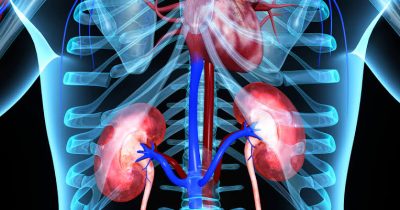
Over time, this can lead to chronic kidney disease (CKD) and, in severe cases, kidney failure.
A 2025 study found that CKD is a growing health concern, affecting between 11 and 14 per cent of adults, with over 25 million people potentially impacted. In Nigeria, many individuals remain unaware of the risk, often leading to late diagnosis and advanced stages of the disease.
Rather than focusing solely on risk, understanding everyday habits that contribute to kidney damage can help with prevention.
Without further ado, here are common habits that can affect kidney health.
This shouldn’t be news anymore; staying hydrated is essential for kidney health. The kidneys rely on water to filter waste from the blood and produce urine.
When fluid intake is low, toxins can build up in the body, increasing the risk of kidney stones and infections. Severe dehydration can also impair kidney function over time.
Staying hydrated helps the kidneys function efficiently. For those with busy schedules, carrying a water bottle or setting reminders can help build a consistent habit. The recommended daily intake is about 2.7 litres for women and 3.7 litres for men.
Due to the daily hustle, many people rely on painkillers to manage physical stress and fatigue. However, frequent use of these medications can have harmful effects on the kidneys.
Drugs such as Ibuprofen, Aspirin, and other non-steroidal anti-inflammatory drugs (NSAIDs) can damage kidney tissues over time, especially when taken without medical supervision.
Studies have shown that long-term use or misuse of these medications may lead to analgesic nephropathy, a condition caused by damage to the kidneys’ filtering units.
These drugs can also reduce blood flow to the kidneys, increasing the risk of injury, scarring, and, in severe cases, chronic kidney disease.
This is another common habit that can be linked to daily physical stress. While it may seem like a quick fix, it should not become a routine.
Regular intake of energy drinks can negatively affect kidney health. These drinks are often high in caffeine and sugar, which can lead to dehydration and increase the risk of conditions such as type 2 diabetes and high blood pressure, both of which can strain the kidneys.
Excessive caffeine increases urine production, placing additional pressure on the kidneys, while high sugar intake may contribute to long-term damage when consumed frequently.
Studies have also linked excessive consumption of energy drinks to kidney-related issues, including impaired kidney function, increased creatinine and urea levels, and acute kidney injury. Their high caffeine, taurine, and sugar content can contribute to oxidative stress and long-term kidney strain.
A study estimates that one in three adults does not get enough exercise, contributing to a sedentary lifestyle.
A lack of physical activity has been linked to an increased risk of chronic kidney disease (CKD) and faster decline in kidney function.
Research shows that individuals with low activity levels may have up to a 30 per cent higher risk of kidney decline, while those who stay active tend to have better long-term kidney health.
Engaging in regular physical activity can help reduce these risks and support overall kidney function.
A study found that many women regularly delay urination due to poor sanitary conditions in public toilets. However, regardless of the reason, making this a habit can be harmful.
Frequently holding in urine puts pressure on the bladder and can cause urine to back up into the kidneys. Over time, this may lead to swelling (hydronephrosis), infections, and potential long-term kidney damage.
Chronic retention also allows bacteria to multiply, increasing the risk of urinary tract infections (UTIs), and promotes crystallisation that can lead to kidney stones.
It’s important to empty the bladder as soon as the urge arises.
Certain everyday foods can put a strain on the kidneys when consumed excessively. Diets high in salt, sugary treats, heavily processed foods, or an overload of protein can all affect kidney function over time.
Excess salt raises blood pressure, forcing the kidneys to work harder, while too much sugar increases the risk of diabetes, a major contributor to kidney disease. Processed foods often contain additives and preservatives, with research showing that people who consume the most processed foods have a 24% higher risk of chronic kidney disease.
Consistently eating very high amounts of protein can also stress the kidneys, though this is usually only a concern for people with preexisting kidney disease.
Maintaining a balanced diet with moderate salt, sugar, and protein intake, while prioritising whole, natural foods, supports long-term kidney health.
Many of these habits are part of daily life, making them hard to avoid, but small, intentional changes can go a long way in protecting kidney health.

SOKOTO- The Coordinating Minister of Health and Social Welfare, Prof. Ali Pate, has urged heads of tertiary health institutions to sustain collaborations that ensure efficient healthcare services across Nigeria.
Pate made the call on Tuesday at the 113th regular meeting of the Committee of Chief Medical Directors and Medical Directors of Federal Tertiary Hospitals (CCMDFTH) in Sokoto.
Represented by the ministry’s Director of Hospital Services, Dr Adesola Adegoke, he commended the Memorandum of Understanding (MoU) between Sokoto State Government and Usman Danfodio University Teaching Hospital (UDUTH), urging other institutions to emulate the initiative.
He reiterated the Federal Government’s commitment to proper funding, infrastructure, and manpower provision for tertiary health institutions to guarantee affordable, quality healthcare and reduce medical tourism.
Pate encouraged participants to use the meeting to share experiences and knowledge for the betterment of citizens’ healthcare services nationwide.
Earlier, Sokoto State Governor, Ahmad Aliyu, represented by Deputy Governor, Idris Gobir, reassured participants of the state’s commitment to strengthening collaboration with institutions to improve healthcare at all levels.
Aliyu said that the government increased health sector budgets, recruited 2,400 community health workers for rural centres, and renovated and equipped healthcare facilities while sponsoring medical students at various levels.
The CCMDFTH Chairman, Prof. Saad Ahmed, explained that the meeting allowed heads to brainstorm, discuss challenges, and propose solutions affecting tertiary healthcare institutions and service delivery in Nigeria.
He highlighted that tertiary healthcare centres provided specialised services, conducted research, and trained manpower for breakthroughs in kidney transplants, heart surgery, and other complex medical procedures.
Ahmed added that the committee fostersed industrial harmony, strengthened Nigeria’s healthcare delivery, protected lives, preserved professional solidarity, and upheld the noble calling of healthcare service.
Sultan of Sokoto, Alhaji Sa’ad Abubakar, represented by District Head Dr Jabbi Kilgori, described the meeting as a landmark event for healthcare services and called on traditional institutions to continue supporting public health initiatives.
The UDUTH Chief Medical Director, Prof. Anas Sabir, thanked colleagues for hosting the event at UDUTH and emphasised the need for more collaborations to improve public health services.
Dr Suleiman Baguda, Medical Director of Federal Neuro-Psychiatric Hospital, Kware, described the meeting as an excellent forum for sharing achievements and challenges in service delivery.
Baguda added that participants were expected to implement the meeting’s resolutions to enhance services, strengthen research, and develop manpower, ultimately leading to more effective and affordable healthcare for Nigerians.
The News Agency of Nigeria (NAN) reports that the week-long event, hosted by UDUTH, Sokoto, includes exhibitions, interactive sessions, and specialist discussions. (NAN)

A new study has found that sperm quality declines during prolonged sexual abstinence due to extended storage in the body.
The study, published in Proceedings of the Royal Society B on Monday, analysed semen data from 115 studies involving nearly 55,000 men, as well as 56 studies across 30 animal species, including birds, bees, reptiles, and other mammals, to assess the impact of sperm storage.
The findings showed that prolonged abstinence reduced sperm health, with declines in motility (ability to swim) and viability (how many are alive), and increased DNA damage.
In animals, the study found that embryos produced from stored sperm — whether kept in males before ejaculation or in females before fertilisation — had lower survival rates.
Researchers noted that the decline in quality may stem from biological changes in stored sperm compared to newly produced ones.
They also found that while sperm quality deteriorates in females after mating, the process occurs more slowly than in males, thanks to protective substances within the female reproductive tract that aid sperm preservation.
In humans, sperm can survive inside the female body for several days. In contrast, species such as queen ants, bees, and female bats are capable of storing sperm for months or even years before fertilisation.
The study’s authors suggested the findings could carry implications for infertility treatment, indicating that using freshly ejaculated sperm may lead to better fertility outcomes.
While the World Health Organization currently recommends abstaining from ejaculation for two to seven days prior to providing a sperm sample for analysis or procedures like IVF, the study proposes that shorter abstinence periods may be more beneficial for optimising sperm quality.
Lead author Krish Sanghvi advised that prolonged abstinence may not always be advantageous, emphasising that sperm quality — not just quantity — plays a critical role in fertilisation success.
“All we recommend is that clinicians and couples reconsider whether long abstinence is always good, because abstinence leads to deterioration in sperm quality,” Sanghvi said.
“If sperm quantity is the only thing that matters for a clinic or couple, then sexual abstinence is not necessarily a bad thing. But usually fertilisation success will be determined not only by how many sperm there are but the quality of the sperm too, for example, in IVF.”
