
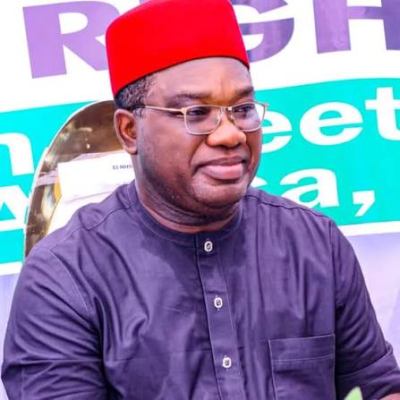
By Chibuike Nwabuko
ABUJA (PRECISE POST) – The National Human Rights Commission (NHRC) has disclosed that it received a staggering 326,113 human rights complaints across Nigeria in June 2026, describing the figure as a clear indication of the country’s worsening human rights challenges.
Executive Secretary of the Commission, Tony Ojukwu, made the disclosure on Friday during the presentation of the Commission’s June 2026 Human Rights Situation Dashboard in Abuja.
Addressing members of the diplomatic community, development partners, civil society organisations, the media and other stakeholders, Ojukwu said the monthly dashboard remained a critical accountability tool for tracking human rights violations, identifying emerging trends and informing urgent interventions.
According to him, complaints gathered by the Commission’s headquarters and offices across the 36 states revealed persistent violations of the rights of Nigerians.
“The Commission received a total of 326,113 complaints in June 2026, a figure that underscores the ongoing and urgent challenge of securing human rights for all Nigerians,” he said.
Beyond complaints lodged with the Commission, Ojukwu said the NHRC’s Human Rights Observatory also documented numerous incidents of abuse nationwide, with violations of the right to life ranking as the most frequently reported.
He expressed concern that armed violence remained widespread, while incidents of sexual violence against children continued to rise, describing the trend as deeply disturbing.
“The sustained and unresolved violence demands urgent and coordinated intervention,” he stressed.
The NHRC boss also highlighted the recent visit of the Nazila Ghanea to Nigeria, saying the UN official spent 12 days assessing the country’s human rights situation in Abuja, Plateau and Kano states.
According to Ojukwu, the Special Rapporteur observed that insecurity, mass displacement, kidnappings and attacks on communities were eroding fundamental rights and worsening religious tensions across the country.
He noted that the Commission was honoured to host the UN mission and expressed optimism that the Special Rapporteur’s final report, expected before the UN Human Rights Council in March 2027, would provide valuable recommendations for Nigeria.
On security reforms, Ojukwu welcomed the recent constitutional amendment paving the way for the decentralisation of Nigeria’s policing structure through state police.
He said the reform has the potential to strengthen the protection of citizens’ rights to life and security but warned that inadequate training, poor oversight and political interference could expose citizens to fresh human rights abuses.
While commending both the Federal and State Governments for the initiative, he pledged that the NHRC would play an active role in human rights education, monitoring, reporting and accountability as the new policing framework evolves.
The Executive Secretary also reflected on the first anniversary of the Yelewata massacre in Benue State, where over 100 people were reportedly killed in a single night.
He lamented that many survivors remain displaced and continue to live in overcrowded camps with inadequate access to food, clean water and healthcare.
“The Commission joins all those calling for justice for the victims of Yelewata and every community across Nigeria that continues to await accountability,” he said.
Ojukwu called on government institutions and security agencies to strengthen civilian protection measures, investigate violations and ensure those responsible are held accountable.
He also urged greater investment in child protection programmes, school safety initiatives and psychosocial support services for victims of violence and their families.
The NHRC boss commended civil society organisations, humanitarian agencies, development partners and the media for their continued efforts in documenting abuses, supporting affected communities and promoting accountability.
He concluded by reminding Nigerians that human rights are fundamental entitlements and not privileges.
“Human rights are not a luxury or a privilege. They are a basic entitlement for every person. It is our collective duty to ensure that every individual in Nigeria can live with dignity, freedom and equality,” Ojukwu said.

