
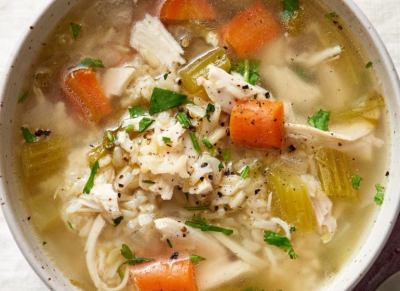
Since adequate hydration is important for several body functions, incorporating water-rich foods into our meals can also help increase our overall fluid intake and support healthy hydration.
Without further ado, here are some water-rich foods you can incorporate into your diet to help support hydration.
- Potatoes
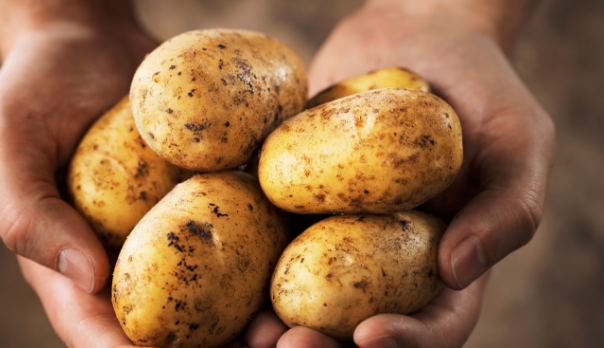
Potatoes are one of the water-rich foods, with about 79% water in their raw state, so adding them to your diet can help contribute to your daily fluid intake.
However, according to a study, the amount of water you get from potatoes depends on how they are prepared. Boiled potatoes retain about 77% water, followed by baked potatoes at 75% and microwaved potatoes at 72%. Frying, however, causes potatoes to lose much more water, leaving about 39% in French fries.
So, if you want to get more water from potatoes, boiled and baked potatoes are better options.
- Plain yoghurt

Plain yoghurt can also contribute to your daily fluid intake because it contains a considerable amount of water.
One cup of plain yoghurt is made up of about 88% water. It is also a source of protein and calcium, making it a nutritious addition to your diet while supporting hydration.
However, when choosing yoghurt, plain varieties may be a better option because some flavoured varieties can contain high amounts of added sugar.
- Cottage cheese

Cottage cheese is another nutritious option to support your hydration, as it contains over 75% water.
Its high water content, combined with nutrients such as protein and calcium, makes it a healthy addition to your diet while supporting hydration.
Plus, it is easy to incorporate into your meals. You can add it to salads, eat it with fruits or spread it on toast.
- Milk
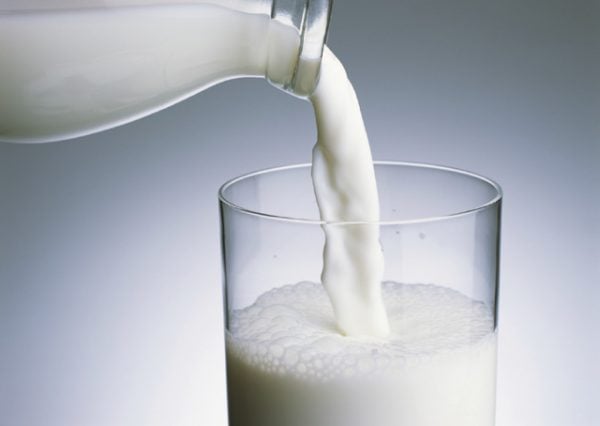
Milk is another drink that can support hydration, particularly skim milk. It contains a high amount of water alongside important nutrients such as protein, calcium and electrolytes.
A study found that skimmed, lactose-free milk may even be more effective than water for rehydrating the body after exercise. The researchers found that participants retained about 69% of the fluid from the milk compared with about 40% from water after exercising in hot conditions.
While water remains essential for daily hydration, milk can be a nutritious option to help replenish fluids, especially after physical activity.
- Broths and soups

Broths and soups can also support hydration because they contain a high amount of water, which can contribute to your daily fluid intake. They can be particularly helpful because they combine fluids with nutrients from ingredients such as vegetables, meat, fish and spices.
They also provide electrolytes such as sodium and potassium, which help the body maintain fluid balance. This makes them a useful option when the body loses fluids through sweating or during illness.
Chicken broth and chicken noodle soup were found to have helped participants retain more fluid after dehydration compared with water and some other drinks. The researchers also found that those who consumed broth produced less urine, suggesting that their bodies held on to more of the fluids they consumed.
For better hydration benefits, opt for soups with moderate salt and nutrient-rich ingredients.
- Tomatoes
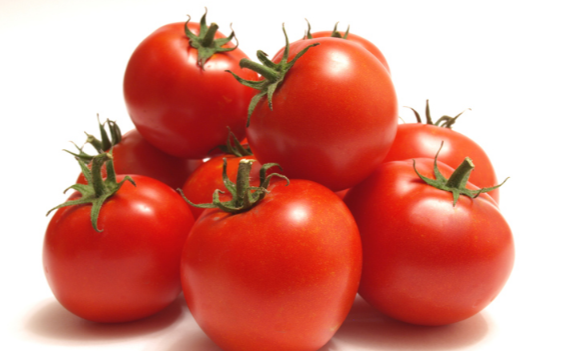
This one may not come as a surprise. With about 95% water content, fresh tomatoes can contribute to your daily fluid intake while also providing important nutrients such as vitamin C, potassium and antioxidants like lycopene.
Because of their high water content, tomatoes can be easily added to meals such as salads, sauces and soups to increase fluid intake.
However, they should be consumed as part of a balanced diet alongside regular water intake to support proper hydration.
- Strawberries
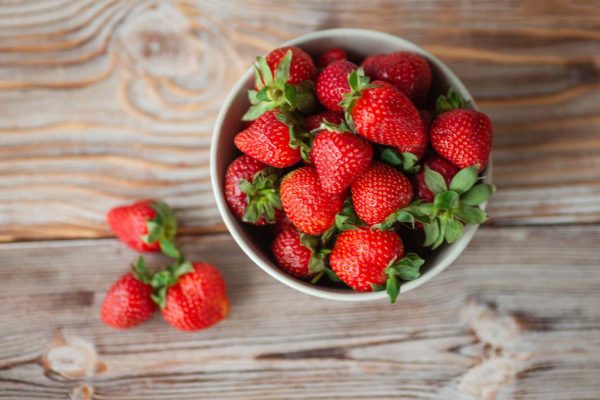
If you are looking for a sweet way to support your hydration, strawberries are a good option. The fruit contains about 91% water, making it a refreshing addition to your diet.
Beyond helping with fluid intake, strawberries are rich in vitamin C, fibre and antioxidants, which support overall health.
They are also easy to enjoy, whether eaten alone, added to yoghurt, blended into smoothies or mixed into fruit salads.
However, incorporating these foods into your diet isn’t an excuse to stop drinking enough water. Make sure you still take enough water throughout the day; these water-rich foods simply help complement your fluid intake and support your overall hydration.

