By Chibuike Nwabuko
LAGOS (PRECISE POST) — The Federal Government has launched an ambitious investment-focused framework aimed at providing reliable electricity to healthcare facilities across Nigeria through sustainable private sector partnerships under the Nigeria Power for Health Initiative (NPHI).
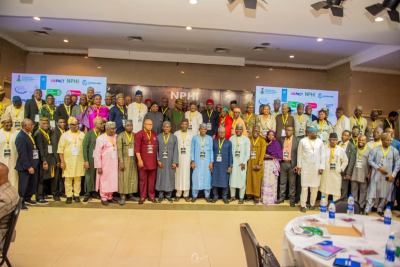
The initiative was unveiled on Monday at the National Healthcare Electrification Investors Matchmaking Forum in Lagos by the Minister of State for Health and Social Welfare, Dr. Iziaq Adekunle Salako, who described it as a major milestone in efforts to address persistent energy challenges undermining healthcare delivery nationwide.
According to the minister, the programme is a direct outcome of resolutions reached during the National Stakeholders’ Dialogue on Power in the Health Sector and represents a strategic intervention to tackle energy poverty within the country’s healthcare system.
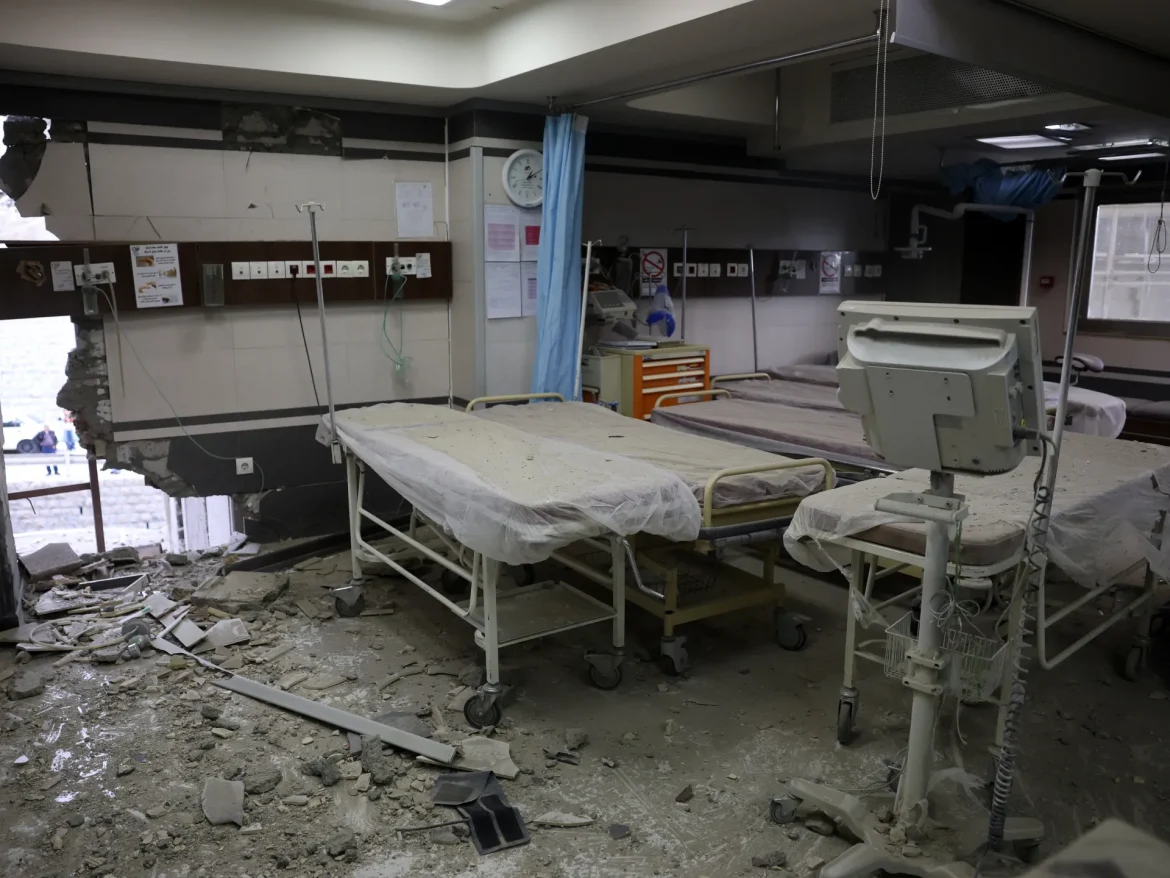
Dr. Salako emphasized that reliable electricity is fundamental to quality healthcare services, noting that critical medical infrastructure such as operating theatres, vaccine cold-chain systems, incubators, diagnostic equipment, oxygen delivery systems, digital health technologies, and emergency response services depend heavily on stable power supply.
“Electricity is not merely a utility in a healthcare facility. It powers life-saving services and technologies that healthcare delivery depends upon. When electricity fails, healthcare delivery stagnates,” he said.
The minister explained that the Nigeria Power for Health Initiative introduces a significant shift from the traditional government and donor-funded infrastructure approach to an Energy-as-a-Service (EaaS) model. Under the arrangement, specialised energy service providers will finance, install, operate, maintain, and guarantee reliable energy systems for healthcare institutions.
He noted that the model would enable hospitals and medical facilities to concentrate on delivering quality healthcare while energy providers handle power infrastructure and services.
Dr. Salako disclosed that the initiative is anchored on three major pillars: blended financing, institutional readiness, and national scalability. Through a combination of government support, development and climate finance, alongside private sector investment, the framework seeks to drive large-scale deployment of sustainable energy solutions across the health sector.
While the current phase targets federal tertiary health institutions, he said the long-term objective is to extend sustainable electrification to primary, secondary, and tertiary healthcare facilities across both public and private sectors.
To ensure effective implementation, the Federal Government has established a comprehensive governance framework, including an Inter-Ministerial Steering Committee, a 24-member Inter-Agency Technical Committee, Facility Energy Management Teams within participating institutions, and a dedicated Project Secretariat domiciled in the Federal Ministry of Health and Social Welfare.
The minister further revealed that efforts are already underway to strengthen the investment readiness of healthcare institutions. These include specialised capacity-building programmes for Directors of Finance and Accounts in federal tertiary hospitals, focusing on energy economics, project finance, sustainable business models, and investor engagement.
Dr. Salako commended the United Kingdom Partnership for Accelerating Climate Transitions (UK PACT) and Landell Mills International for their support in developing the framework and advancing sustainable healthcare electrification across Nigeria.
He urged investors, commercial banks, development finance institutions, climate financiers, and energy developers to take advantage of the opportunities presented by the initiative.
“This is the beginning of a marketplace where ideas become projects, projects become investments, and investments become reliable electricity for healthcare facilities across Nigeria,” the minister stated.
The Federal Ministry of Health and Social Welfare reaffirmed its commitment to collaborating with public and private sector stakeholders to ensure sustainable power supply for healthcare facilities and improve health outcomes for Nigerians nationwide.