
By Chibuike Nwabuko
ABUJA (PRECISE POST) – Deputy Speaker of the House of Representatives, Benjamin Kalu has assured Nigerians that the long-awaited constitutional framework for the establishment of state police is on the verge of becoming a reality, as the House prepares for a decisive vote on the proposed amendment.
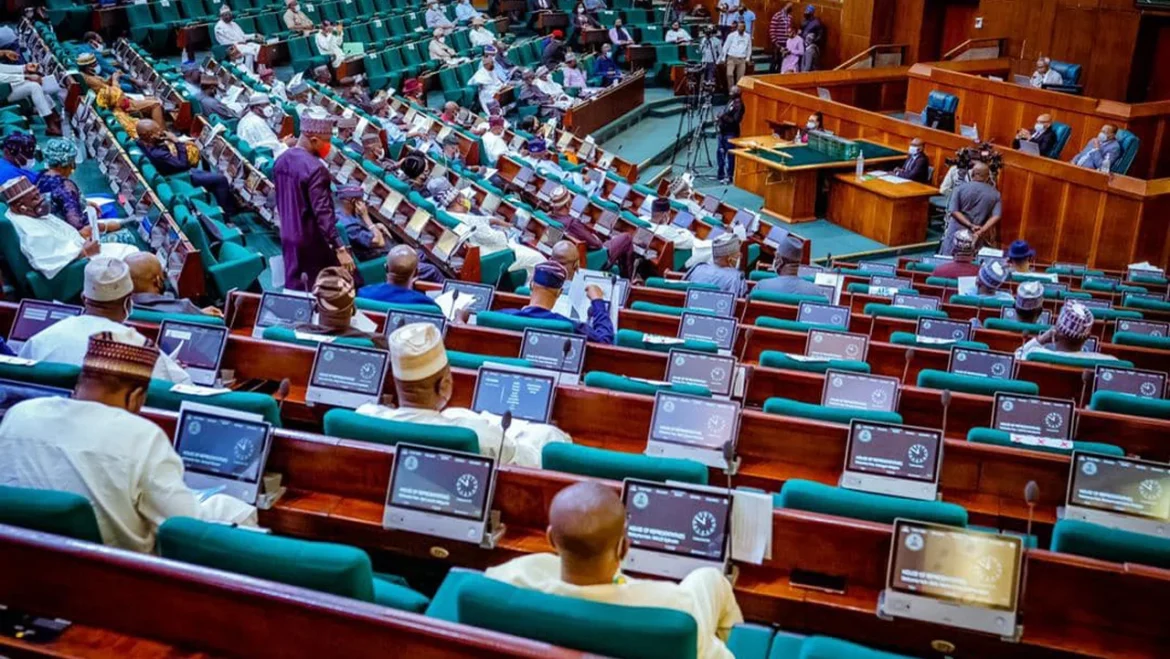
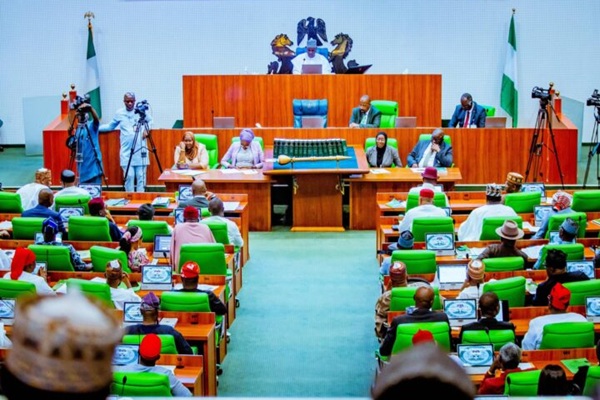
Addressing parliamentary correspondents after Wednesday’s plenary session, Kalu said lawmakers had concluded that existing legal provisions were inadequate to address the country’s worsening security challenges, making constitutional reforms imperative.
According to the statement signed by the Chief Press Secretary to the Deputy Speaker, House of Representatives, Levinus Nwabughiogu, the Deputy Speaker emphasized that the responsibility of safeguarding lives and property does not rest solely with the executive arm of government but is a collective obligation shared by the executive, legislature and judiciary. He said the National Assembly was committed to deploying legislative solutions to strengthen Nigeria’s security architecture.
Flanked by caucus leaders from the 36 states and the Federal Capital Territory, alongside regional and zonal leaders of the House, Kalu declared that Parliament was taking bold steps to tackle insecurity through far-reaching reforms.
According to him, lawmakers have prioritised the creation of state police as a critical component of efforts to improve security response times and enhance law enforcement effectiveness across the country.
He disclosed that extensive consultations had already been held with major stakeholders, including the police hierarchy, state governors and the executive arm of government, all of whom have expressed support for the establishment of state police.
Kalu explained that while there is broad consensus on the need for decentralised policing, the current provisions of the 1999 Constitution, particularly Section 214, do not permit the creation of state police without significant constitutional amendments.
He noted that members of the House have been working tirelessly to amend the Constitution and remove legal obstacles preventing the establishment of state-controlled police formations.
“We have discovered that leaving the law as it is will not meet the expectations Nigerians have placed on government to solve the problem of insecurity. Therefore, we have decided to prioritise the issue of unbundling security response through the legislative tool of state police,” he said.
The Deputy Speaker further assured Nigerians that the constitutional amendment process was progressing smoothly and dismissed reports suggesting that efforts were underway to frustrate the proposal.
According to him, Parliament remains firmly committed to seeing the legislation through, stressing that lawmakers would move decisively during Thursday’s voting session.
“We are here to announce to Nigerians that hope is coming. Hope for a better response time to incidents of crime is here. By tomorrow, we will be voting on the Constitution and prioritising state police,” Kalu stated.
He expressed optimism that once passed by the National Assembly, the amendment would receive speedy approval from state legislatures, citing what he described as the supportive disposition of governors across the federation.
Kalu said the bill would be transmitted to the 36 state Houses of Assembly for ratification before being forwarded to President for assent.
In a move underscoring the importance attached to the amendment, the Deputy Speaker called on lawmakers currently engaged in oversight assignments across the country to immediately suspend their activities and return to Abuja for the vote.
Describing the security situation as an emergency requiring urgent legislative intervention, he urged all members of the House to be present during the proceedings to demonstrate their commitment to tackling insecurity.
“We want all our members to be in the House so that we can show our constituents that we support state police and that security remains our top priority,” Kalu said.
The proposed state police framework is widely seen as one of the most significant constitutional reforms under consideration by the National Assembly, with supporters arguing that decentralised policing will improve intelligence gathering, enhance rapid response capabilities and strengthen security at the grassroots level. If approved, it would mark a major shift in Nigeria’s policing structure and potentially redefine the country’s approach to internal security.