The 81st United Nations General Assembly may have come and gone, but some of its speeches will not disappear into the usual diplomatic archives.
Two addresses, in particular, commanded unusual attention: President Donald Trump of the United States and Prime Minister Benjamin Netanyahu of Israel. The lesson was unmistakable: at the UN, speeches may be diplomatic, but power politics remains very much alive.
FOR TRUMP: “WHILE OTHERS HAVE TALKED, I HAVE ACTED”
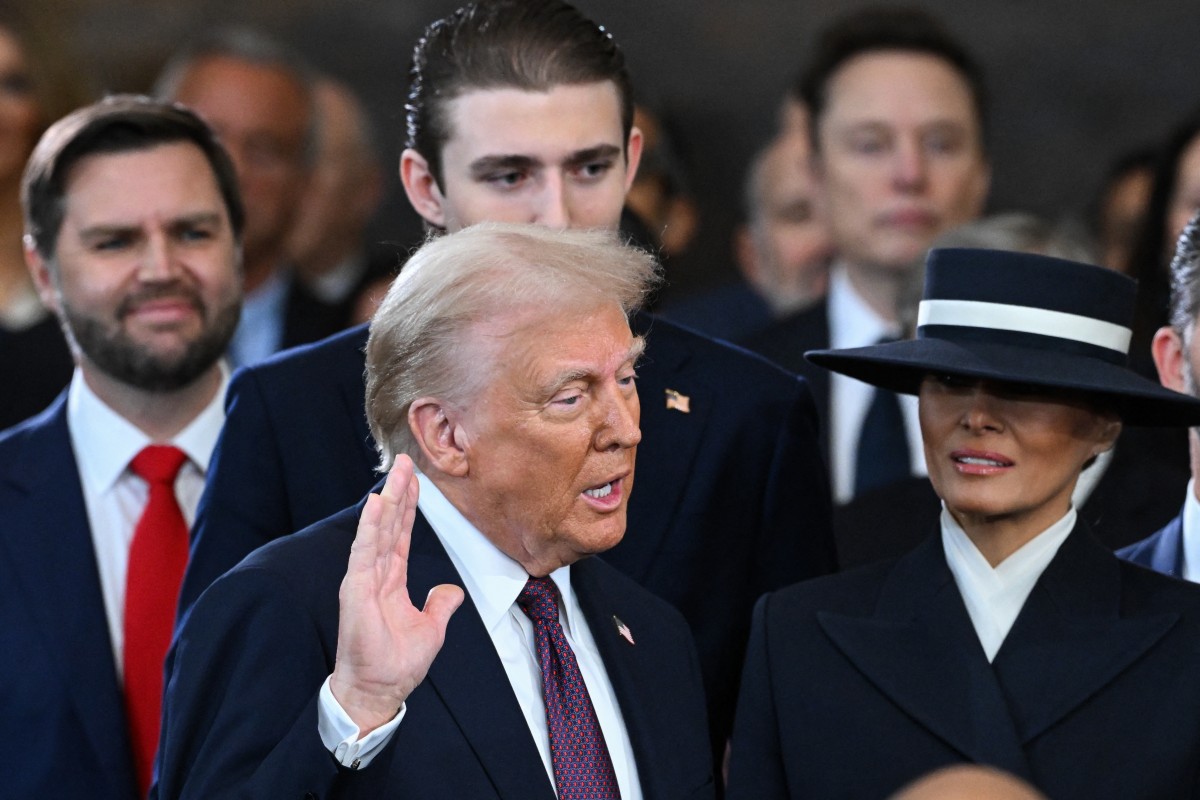
Trump came not merely to deliver another diplomatic address, but to challenge the prevailing philosophy of the international system. His principal messages were anchored on American sovereignty first: No global government, global taxation or international institution should supersede the sovereignty of nations; UN reform: He argued that the UN possesses enormous potential but must cut bureaucracy, reduce waste and abandon what he regards as unelected global interference. His administration highlighted a 15% reduction in the UN budget and thousands of positions eliminated in 2026. His argument was blunt that negotiations are more effective when backed by credible economic and military power. President Trump, defended America’s military action against Iran and demanded that Iran abandon its nuclear ambitions and support for terrorism, while leaving open the possibility of a negotiated settlement. He further rejected what he described as excessive global regulation of artificial intelligence, insisting that America must remain at the technological frontier. In essence, Trump’s message was: “Nations must remain sovereign; institutions must become accountable; and American power will not be placed in diplomatic cold storage. As the old saying goes, when the elephant enters the room, even the chairs begin to pay attention.
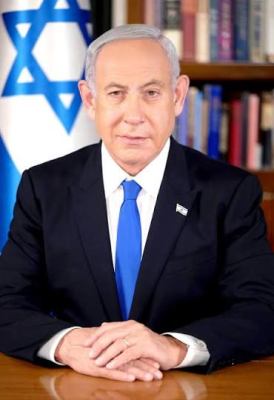
Then came Netanyahu, the atmosphere changed dramatically. Several delegations walked out as he began his address, while Netanyahu openly challenged those who remained and accused his critics of what he described as hypocrisy. His principal messages were emphatic on the fact that Iran remains Israel’s existential security concern: Netanyahu defended Israel’s actions against Iran’s nuclear infrastructure and argued that Israel was acting not only in its own interest but in defence against a wider regional threat. He insisted that October 7 remains central to Israel’s case: He invoked the 2023 Hamas attack, the deaths of Israeli civilians and the hostage crisis as the foundation of Israel’s security argument. Netanyahu maintained that Hamas used civilian areas for military purposes and rejected allegations that Israel’s conduct amounted to genocide. His tone was unmistakably defiant. He challenged governments and protesters who condemned Israel while, in his account, overlooking Iran, Hamas and the persecution of Jews and Christians. Netanyahu concluded that the Iranian regime would eventually fall in no distant time, and that the Iranian people would be free.
In short, Netanyahu’s message was: Israel will defend itself, will not accept international isolation as a substitute for security, and will continue to challenge what it considers selective application of international morality.
Perhaps the most important lesson from UNGA 2026 is this:
The world is changing, but the oldest rules of international politics remain remarkably familiar, sovereignty, security, economic power, military strength, diplomacy and national interest.
The United Nations may provide the stage, the microphones and the chandeliers; but the actors still come armed with their national interests.
UNGA 2026 gave the world plenty of roaring, but the real question is whether the world will learn from it.
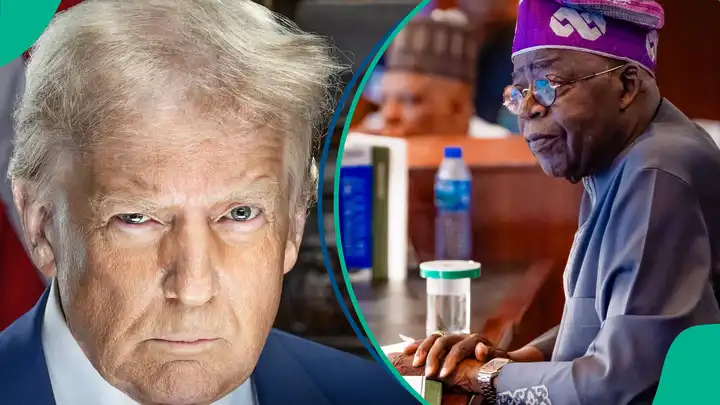
For those who are anxiously keeping attendance registers and wondering why President Tinubu has neither attended the UN General Assembly nor visited the United States since assuming office, please, take a deep breath and be consoled. The President is not missing; he is in France on annual leave, and, as I learnt, the leave was even extended by a few more days.
After all, while some leaders were busy addressing the world from New York, our own President apparently decided that France was the more appropriate venue for a well-deserved break.
So, please, no cause for alarm. The UN will still be there; New York will not relocate. 😏
Signed
Sir Ifeanyi Ejiofor, Esq. KSC
Dunu-Ezeugosinachi
28th September, 2026