
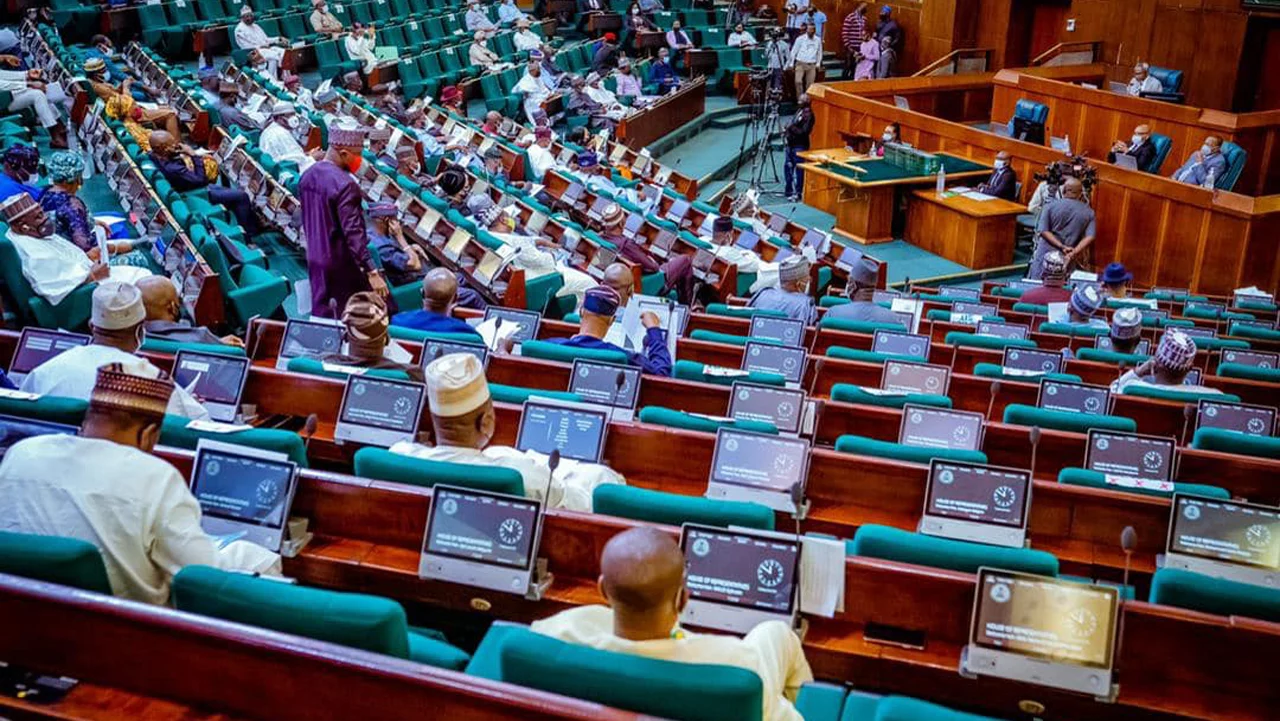
The House of Representatives has urged Federal Government-owned University Teaching Hospitals and other tertiary health institutions to prioritise medical research rather than waiting for emergency situations such as the COVID-19 pandemic to trigger action.
The call was made on Tuesday in Abuja during the 2026 budget defence session of Federal University Teaching Hospitals, Federal Teaching Hospitals and Federal Medical Centres.
Chairman of the House Committee on Health Institutions, Dr Patrick Umoh, expressed concern that most teaching hospitals had abandoned their core mandate of research and were now functioning largely as general hospitals.
He criticised Chief Medical Directors (CMDs) for allocating less than one per cent of their budgets to research, describing the situation as unacceptable.
“Teaching hospitals are meant to be centres of research. Yet, you hardly raise concerns about inadequate funding for research, focusing more on infrastructure. That makes you part of the problem,” Umoh said.
He lamented that the COVID-19 pandemic exposed glaring weaknesses in the nation’s research preparedness.
“The pandemic caught us unprepared. Let me say, perhaps mockingly, that traditional medicine practitioners seemed to be doing better. During my oversight visits, no hospital has shown me a functional research centre,” he added.
Responding on behalf of the Committee of Chief Medical Directors, the Secretary of the Committee and Chief Medical Director of the Jos University Teaching Hospital, Prof Pokop Wushipba Bupwatda, explained that only about one per cent of teaching hospitals’ budgets is earmarked for research, adding that the allocation is often removed during budget reviews.
He called for increased funding for the health sector to enable the recruitment of skilled manpower and improved staff welfare, which he said would help curb the ongoing brain drain, popularly known as the “japa syndrome.”
Prof Bupwatda also expressed concern that public discourse often highlights isolated shortcomings in the health sector rather than acknowledging progress, noting that Nigeria’s medical services continue to attract patients from neighbouring countries.

