
By Our Reporter
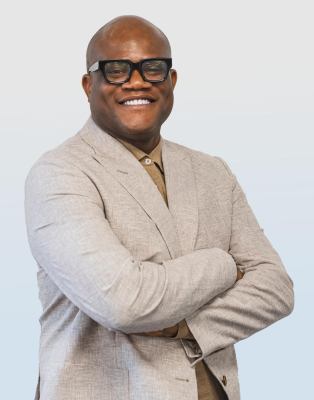
ABUJA (PRECISE POST) – International Development Consultant, Reputation Architecture Specialist, and President of the Africa Development Studies Centre (ADSC), Sir Victor Walsh Oluwafemi, KJW, has advised that there’s urgent need for government and continental action to quickly curb rising xenophobic tensions in South Africa.
Oluwafemi gave this advice on Monday stating that:
“There has been a growing wave of concern across Africa and within the international community following recent reports of xenophobic incidents, intimidation, and anti-migrant hostility in parts of South Africa.
“These developments, highlighted by credible regional and global observers, have renewed scrutiny over the safety, protection, and treatment of African nationals, including Nigerians, residing within the country.
“While South Africa retains the sovereign responsibility to manage its immigration systems, emerging patterns of hostility attributed to non-state actors, alongside reported disruptions to migrant-owned businesses and communities, raise important questions about enforcement boundaries, public order, and the protection of fundamental rights.
The International Development Expert further explained that: “Silence in moments such as this is not neutral. Silence enables. Silence legitimises. Silence institutionalises.
“Where credible reports indicate intimidation by non-state actors and growing anti-immigrant sentiment, the absence of a firm and visible response risks creating a perception gap.
“Such a gap, if left unaddressed, could erode confidence among African communities and undermine broader continental efforts towards integration and cooperation.
“The Government of South Africa is therefore encouraged to act with urgency and clarity by reinforcing the rule of law, ensuring that immigration enforcement remains within lawful institutional frameworks, and taking decisive steps to prevent vigilantism or targeted hostility.
“A clear and reassuring national position will be essential in reaffirming South Africa’s commitment to the safety and dignity of all African nationals within its borders.
“At the continental level, the African Union is expected to play a more proactive role in addressing concerns related to xenophobia and migrant protection.
“The principles underpinning African integration, including economic cooperation and mobility, require a stable and secure environment for all citizens across the continent.
“African governments, more broadly, may also consider coordinated diplomatic engagement to ensure that the rights and safety of their citizens abroad are upheld while maintaining constructive bilateral relations.
“Nigeria, as a leading voice in Africa, has an opportunity to adopt a more strategic, forward-looking approach that goes beyond consular responses, focusing on sustained engagement, citizen protection, and long-term preventive measures.
“There is also a role for influential voices across the continent. Public figures and cultural leaders with wide-reaching platforms contribute significantly to shaping public discourse.
” In moments of heightened tension, responsible engagement can help reinforce unity, discourage division, and promote a shared African identity.
“This situation represents more than a domestic policy challenge. It is a broader test of Africa’s collective commitment to dignity, inclusion, and mutual respect.
” Ensuring that African nationals are treated fairly and protected across borders is fundamental to the continent’s long-term stability and economic future.
“The implications of inaction are significant. Rising tensions of this nature risk affecting investor confidence, regional cooperation, and the credibility of continental frameworks designed to advance integration and shared prosperity.
“Africa must continue to uphold its foundational values. Constructive dialogue, visible leadership, and coordinated action will be essential in addressing current concerns and preventing future escalation.
“Silence enables. Silence legitimises. Silence institutionalises. Africa must speak. South Africa must act.

