
By Chibuike Nwabuko
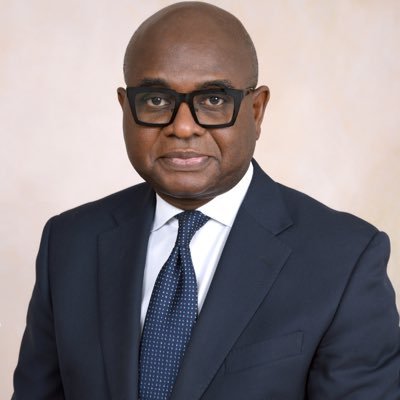
ABUJA (PRECISE POST) -Former Deputy Governor of the Central Bank of Nigeria, Kingsley Moghalu, has raised serious concerns over the recently gazetted Tax Reform Acts, warning that the problem confronting Nigeria is not taxation itself but a deep crisis of trust in government.
Moghalu, who stated this when he took to his X account handle @MoughaluKingsley on Friday, described taxation as a fundamental pillar of the social contract between citizens and the state, but argued that such a contract remains weak or non-existent in Nigeria due to entrenched corruption and poor accountability.
According to him, Nigerians are justified in questioning whether revenues generated from the new tax laws will be transparently deployed for public welfare or diverted through opaque arrangements, consultancies, and private interests.
He noted that decades of mismanagement and theft of oil revenues have eroded public confidence, making it difficult for citizens to believe that new tax proceeds would be handled differently. Without rebuilding trust, Moghalu cautioned, the new tax regime risks being perceived as “taxation without representation,” drawing a historical parallel with the 18th-century American revolt against British colonial rule.
Beyond trust, Moghalu questioned the legitimacy of the legislative process that produced the Nigeria Tax Acts passed in 2025 and slated for implementation from January 1, 2026. He pointed to what he described as “very significant alterations” between the originally gazetted version and a later “corrected” certified true copy, suggesting an attempt by unnamed actors to create illicit revenue streams for private gain.
He characterized the alleged alterations as a brazen and unconstitutional breach, insisting that Nigerians deserve to know who was responsible and whether those involved will be held accountable.
On the issue of timing, Moghalu acknowledged that there is rarely an ideal moment to introduce new taxes. While conceding that efforts appear to have been made to reduce the burden on poorer Nigerians, he stressed that widespread poverty has fueled public perception that the reforms amount to “taxing the poor.”
Moghalu further argued that Nigeria’s core challenge lies in weak governance and the absence of broad-based wealth creation. He warned that attempting to tax and redistribute wealth that has not been sufficiently created amounts to putting the cart before the horse.
He also criticized the high cost of governance, lack of transparency surrounding savings from fuel subsidy removal, and continued heavy external borrowing as evidence of fiscal mismanagement.
In conclusion, Moghalu emphasized that successful taxation requires a clear alignment of intent, competence, and transparency. Without these fundamentals, he warned, even well-designed tax laws risk failure and public rejection.

