
By Chibuike Nwabuko
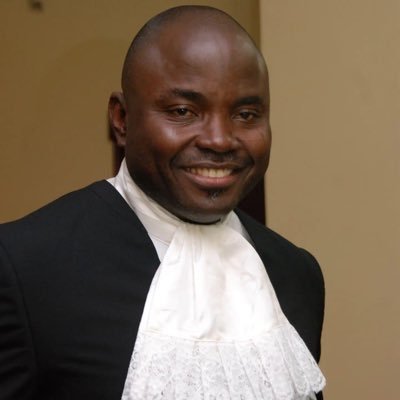
ABUJA (PRECISE POST) – Senior Advocate of Nigeria (SAN), Jibrin Okutepa, has decried what he described as the pervasive culture of lawlessness, impunity and disregard for the rule of law across Nigeria.
Okutepa raised the concerns in a post on his X handle on Tuesday, questioning who would hold the government, public office holders and citizens accountable for the common good of the country.
He said the situation had become worrisome because, except for a few Nigerians, many citizens and public officials appeared to act with “total disrespect and disregard for law and order.”
The legal practitioner began his assessment from the grassroots, particularly local government councillors, whom he accused of displaying what he described as “extreme lawlessness” and lack of accountability.
According to him, the attitude of some public officials and politicians is often summed up in the question, “Do you know me?”, suggesting that they consider themselves above the law.
He also criticised law enforcement agencies, alleging that enforcement of the law had, in many instances, become commercialised.
“The law enforcement agents too do not enforce the law in purity of intention. They have, in most cases, commercialised law enforcement,” he alleged.
Okutepa further alleged that bribery was openly negotiated and collected in some law enforcement offices, while there appeared to be inadequate mechanisms to punish such conduct.
He lamented what he described as a “complete absence of good governance and the rule of law” in the country, particularly at the local government level.
According to him, many local government chairmen are more accountable to political godfathers who facilitated their emergence than to the people they were elected to serve.
“The chairmen, in most cases, are hand-picked by political emperors who installed these chairmen just for selfish commercial purposes,” he said.
The SAN extended his criticism to state governments, alleging that some governors were imposed on the people and lacked genuine governance agendas.
He accused some state governors of prioritising the alleged diversion of public resources, while the state Houses of Assembly established constitutionally to exercise oversight functions had become too weak to hold them accountable.
Okutepa described many legislative houses as “puppets and impotent” in the discharge of their constitutional responsibilities, arguing that effective legislative oversight could have prevented some governors from remaining in office for their full four-year terms.
“Honestly, most lawmakers go to the legislative houses just to collect the mumbo jumbo salaries and allowances for doing nothing,” he alleged.
At the federal level, the lawyer said the situation was equally troubling, arguing that Nigerians were yet to see sufficient evidence that governance was delivering tangible improvements in their lives.
He said the country was increasingly becoming a place where “anything goes,” with lawlessness allegedly permeating different levels of government and public institutions.
Okutepa also expressed concern about the state of Nigeria’s justice system, alleging that it had, in some instances, accommodated the excesses of the political class to the detriment of the integrity of justice administration.
He argued that judicial decisions should be firmly rooted in sound jurisprudence and should advance justice, rather than contribute to political instability or undermine democratic development.
According to him, some court orders issued in political matters appeared capable of retarding political maturity, particularly where courts intervened in what he described as the domestic affairs of political parties.
“Everything in Nigeria seems to be heading towards anarchy and lawlessness,” Okutepa warned.
He noted that ordinary citizens were increasingly copying the negative examples set by some people in positions of authority.
“Today, you see ordinary citizens doing what the law prohibits, and nobody can correct them because those to correct them are doing worse things than them,” he said.
Okutepa’s remarks ultimately called for a renewed commitment to accountability, good governance, respect for the rule of law and institutional integrity, warning that the continued erosion of these values could have serious consequences for Nigeria’s democratic development.

