
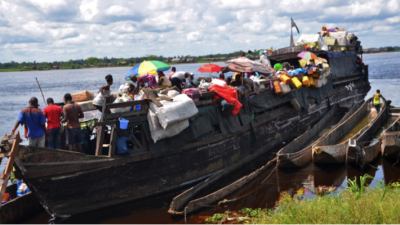
ABUJA – Overloading, poor enforcement of safety regulations and non-compliance with operational guidelines have been identified as major causes of recurring boat mishaps across Nigeria’s inland waterways in the first quarter of 2026.
A survey showed that many passengers died in separate incidents recorded in Lagos, Yobe, Sokoto and Jigawa states between January and March, raising concerns among maritime stakeholders nationwide.
These incidents renewed concerns over safety compliance, enforcement gaps and recurring operational challenges confronting water transportation, especially within riverine communities that relied heavily on waterways for movement and trade.
On Jan. 1, no fewer than six passengers reportedly died after a commercial boat capsized along the Igbologun axis of Lagos waterways during an evening journey to riverine communities.
The boat, reportedly operated by a private transport company, was said to have collided with a submerged object before overturning, while four passengers were rescued alive by emergency responders.
Officials of the Lagos State Waterways Authority (LASWA), the National Inland Waterways Authority (NIWA) and the Marine Police coordinated rescue operations following the incident, while investigations into the immediate and remote causes commenced afterward.
Barely days later, another deadly mishap occurred in Nguru Local Government Area of Yobe State after a canoe conveying traders, fishermen and farmers capsized along the Yobe River during a night journey.
Reports indicated that at least 25 passengers died, while several others were declared missing after the overloaded canoe overturned midway through the journey between neighbouring communities in the state.
Emergency responders and local divers reportedly rescued some passengers alive, while search operations continued for missing victims as residents lamented recurring accidents and fatalities on inland waterways nationwide.
In another reported incident, no fewer than 16 passengers were feared dead after a canoe carrying about 40 passengers capsized in Guri Local Government Area of Jigawa State during transportation activities.
Reports indicated that some survivors were rescued and rushed to nearby medical facilities, while local authorities attributed the accident to overloading, poor structural condition of the canoe and non-compliance with safety regulations.
Stakeholders in the maritime sector blamed recurring boat mishaps on overloading, absence of life jackets, night-time movement, poor vessel maintenance and weak enforcement of waterways transportation safety regulations nationwide.
Mr Eugene Nweke, Head Researcher of the Sea Empowerment and Research Center (SEREC), urged enforcement agencies to intensify monitoring operations and ensure strict compliance with established inland waterways safety regulations nationwide.
Nweke advocated the compulsory use of life jackets and restriction of commercial boat operations to daytime movement to reduce avoidable fatalities and improve safety standards across inland waterways.
He said that sustained monitoring, regular vessel inspections and increased compliance by operators and passengers would further strengthen ongoing efforts aimed at reducing accidents and safeguarding lives on waterways.
Meanwhile, the Federal Ministry of Marine and Blue Economy distributed more than 42,000 life jackets to riverine communities as part of measures aimed at improving waterways safety nationwide.
The life jackets were distributed across several coastal and riverine states, including Niger, Bayelsa, Delta, Anambra and Lagos, among others, to promote safety consciousness and reduce fatalities associated with boat accidents.
In several statements, the ministry said the intervention formed part of broader efforts toward reducing fatalities, promoting safety awareness and encouraging compliance with operational guidelines among operators and passengers using inland waterways nationwide.
The National Inland Waterways Authority also intensified public awareness campaigns and sensitisation programmes to educate operators and passengers on safe navigation practices and accident prevention measures across inland waterways nationwide.
The authority reiterated its commitment to achieving safer waterways transportation through stakeholder collaboration, stricter operational guidelines, improved enforcement activities and increased compliance with established waterways safety regulations.
However, maritime stakeholders maintained that stronger enforcement mechanisms, regular vessel inspections and prosecution of violators remained necessary to reduce persistent accidents and improve safety standards across inland waterways nationwide.
Mr Suleiman Nicholas, a former Area Manager of NIWA, said many operators and passengers still ignored basic safety requirements in spite repeated sensitisation campaigns by authorities.
Nicholas stressed the need for stricter enforcement of passenger and cargo limits, compulsory wearing of life jackets and stronger collaboration between regulators, operators and host communities to reduce recurring mishaps on the waterways.
He also called for continuous public enlightenment and regular monitoring of waterways activities, noting that compliance with safety measures remained critical to safeguarding lives and property.
Nigerians have continued to call for improved enforcement of waterways safety regulations, increased deployment of marine patrol personnel and water marshals and stricter sanctions against operators who violate established operational guidelines.
They also urged relevant authorities to sustain sensitisation campaigns, improve emergency response systems and ensure adequate provision of safety equipment to passengers and operators across inland waterways nationwide.
Mr Silas Obukeni, a fisherman, also stressed the need to phase out wooden and sub-standard boats across inland waterways to reduce recurring accidents and fatalities.
Obukeni advocated increased support for local manufacturing of fibre boats, improved safety enforcement and regular inspection of vessels operating on the waterways.
He noted that adopting safer and more durable boats, alongside other safety measures, would significantly improve water transportation and protect lives and property nationwide. (NAN)

