
By Our Reporter
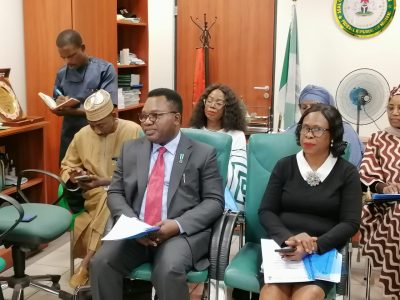
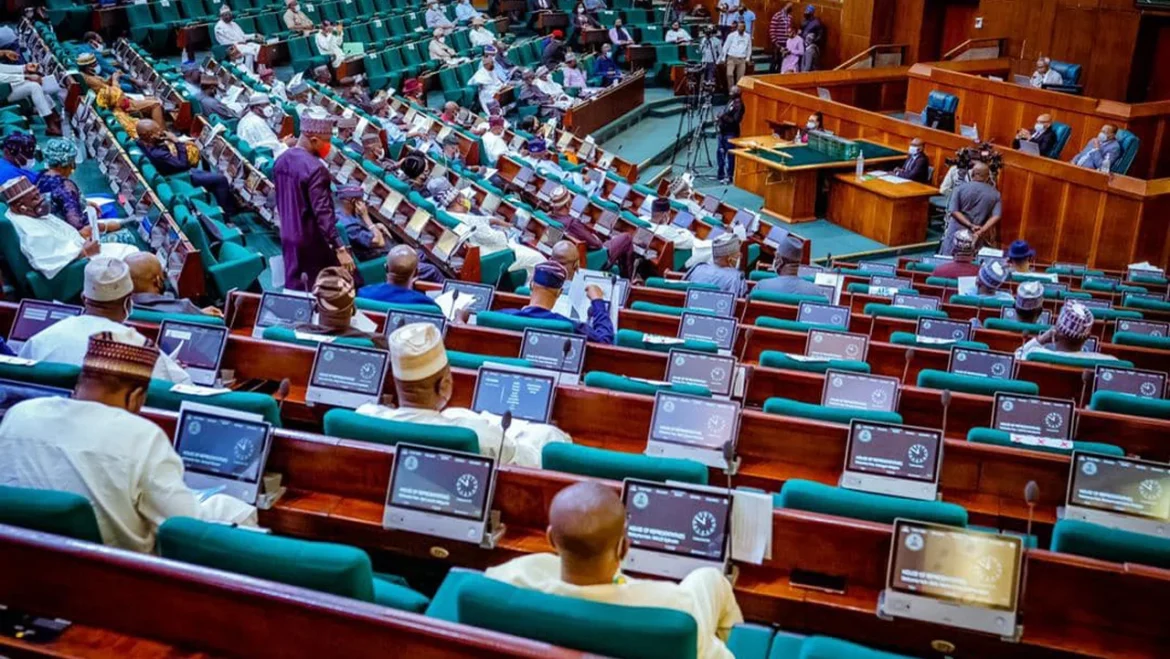
ABUJA (PRECISE POST) – The Joint Committees of the Senate and House of Representatives on National Planning have reaffirmed their commitment to strengthening fiscal governance and driving long-term economic transformation following an oversight session with the Federal Ministry of Budget and Economic Planning.
The session, held at the National Assembly, focused on reviewing budget performance, development planning, and future economic projections as the country pursues ambitious growth targets.
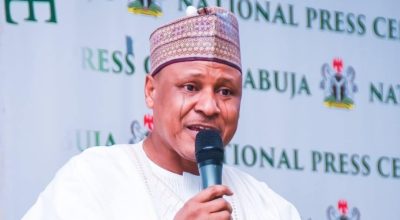
Co-Chairman of the Joint Committee, Yahaya Abdullahi, apologized for the delayed start of proceedings and explained that the meeting was convened under constitutional provisions empowering lawmakers to oversee Ministries, Departments and Agencies. He said the exercise was not merely a review of expenditures but an evaluation of progress toward national economic goals.
According to him, while Nigeria has made measurable gains in economic stabilization and reform, achieving the government’s $1 trillion economy target will require stronger planning frameworks, credible projections, and measurable performance indicators.
Lawmakers requested detailed briefings covering 2024 budget performance, development assistance received, project implementation and impact, key activities planned for 2025, and projections beyond 2026.
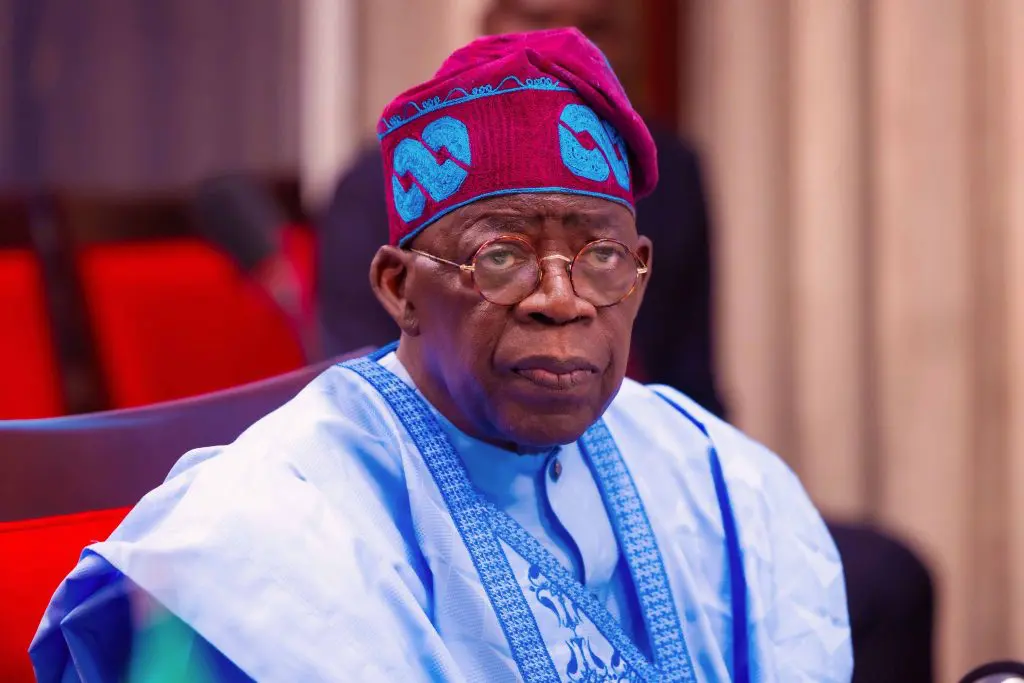
Responding, Minister of Budget and National Planning, Abubakar Bagudu, highlighted ongoing reform efforts under the administration of Bola Ahmed Tinubu, describing them as among the most comprehensive economic reform programmes in the country’s history.
He noted that the reform trajectory has drawn global recognition from institutions such as the World Bank and the International Monetary Fund, which he said have acknowledged the country’s role in global growth and fiscal restructuring efforts.
Bagudu also pointed to improved fiscal federalism, saying sub-national governments now receive significantly higher allocations than in previous years — a development he described as a milestone in strengthening the country’s federal structure.
The minister further outlined major development partner interventions, including a $1 billion support package for primary healthcare, education and governance reforms, the $500 million Nigeria Community Action for Resilience and Economic Stimulus programme, and project preparation support agreements with the International Finance Corporation.
He acknowledged ongoing challenges affecting budget implementation, including rising global interest rates, debt servicing pressures, and exchange rate volatility, but expressed confidence that current reforms would improve inflation trends and boost domestic production.
The committees stressed the need to align the National Development Plan with annual budgets to ensure performance-based resource allocation and measurable economic outcomes.
The oversight session ended with renewed assurances from both the legislature and the executive to deepen collaboration in advancing national development priorities in the years ahead.