
‘They Will End Up With Terrorists’ — Defence Minister Warns Governors Over Motorcycle Palliatives
Defence Minister Christopher Musa has warned Nigerian governors against distributing motorcycles as palliatives, saying the vehicles could eventually find their way into the hands of terrorists and give them an advantage in carrying out attacks.
The minister raised the concern during an appearance on Channels Television’s Politics Today on Thursday, September 3, 2026, where he also spoke about Nigeria’s security situation and preparations for the 2027 general elections.
According to Musa, motorcycles distributed to Nigerians as part of government assistance programmes can potentially be diverted and later used by criminal and terrorist groups.
He therefore urged governors to reconsider the practice.
“We try to appeal to any governor to stop giving out motorcycles as palliatives because these motorcycles are still the same ones that will end up with these terrorists,” Musa said.
Defence Minister suggests smaller motorcycles
Musa said that where motorcycles must be provided as palliatives, governments should consider distributing lower-capacity models instead.
His argument is that smaller motorcycles would reduce the mobility advantage that terrorists and other criminal groups could gain from more powerful motorcycles.
“Even if you are to give, don’t give them the big capacity motorcycles, give them the small capacity ones that they won’t be able to use to run around because that gives them leverage,” he said.
The minister explained that motorcycles can provide criminals with the ability to move quickly through difficult terrain and escape after carrying out attacks.
“They can easily enter anywhere and then disappear at the same time,” Musa added.
His comments are likely to reignite debate over how governments should distribute palliatives in communities affected by poverty, insecurity and displacement.
Nigeria’s security situation is improving — Musa
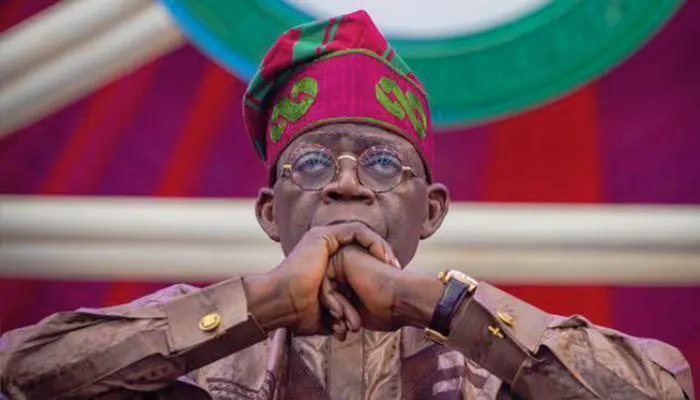
The Defence Minister also claimed that Nigeria has recorded improvements in its security situation under President Bola Tinubu.
Musa pointed to a reduction in the frequency of attacks attributed to Boko Haram and the Islamic State West Africa Province (ISWAP).
“I can tell you there is improved security,” he said.
The minister acknowledged that security challenges remain but argued that the nature of the threats has changed.
According to Musa, Nigeria’s security challenges can move through different stages, from criminality to kidnapping, terrorism and insurgency.
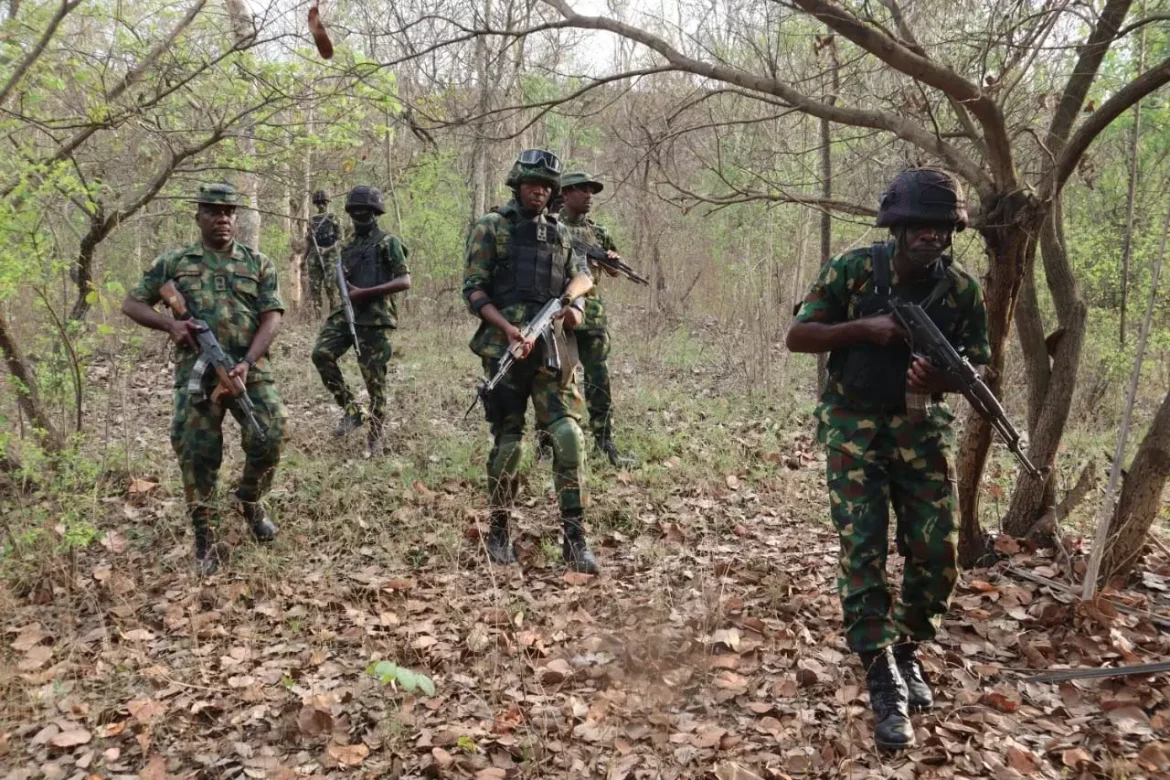
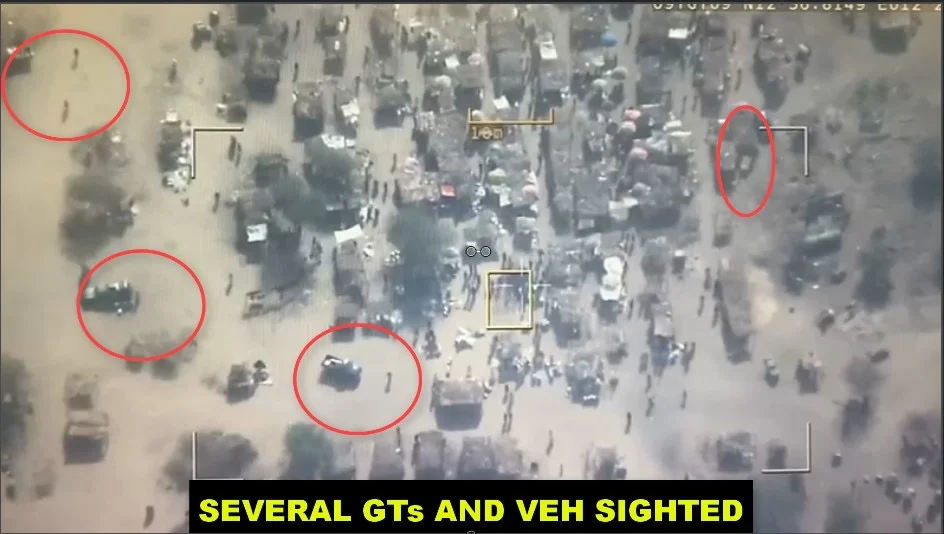
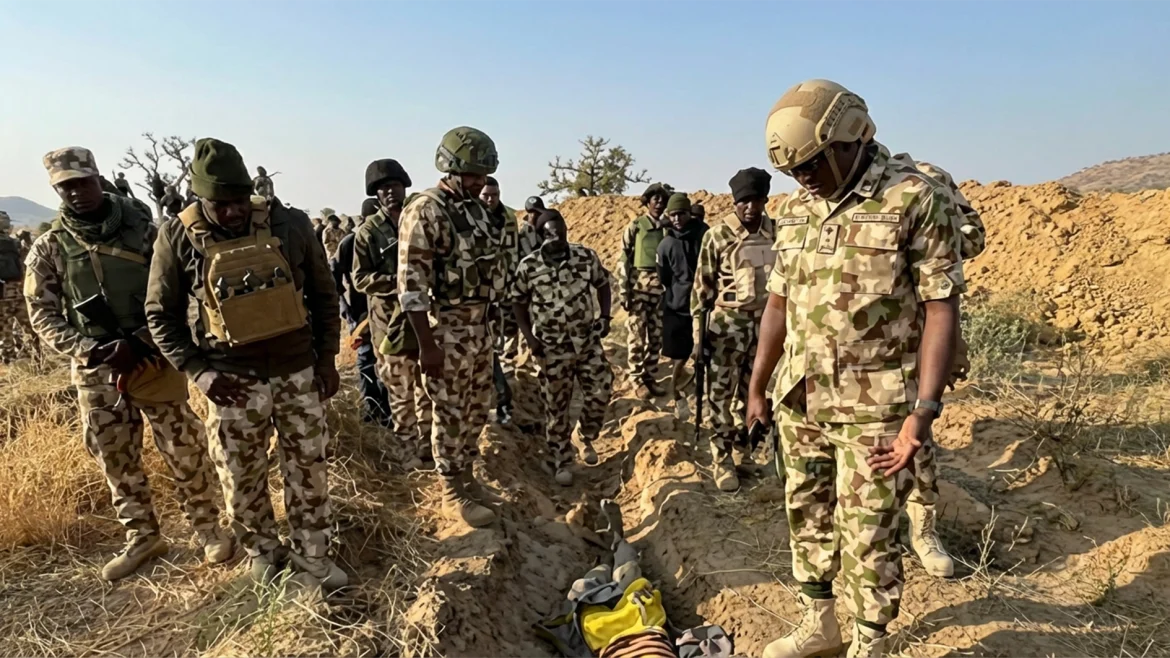
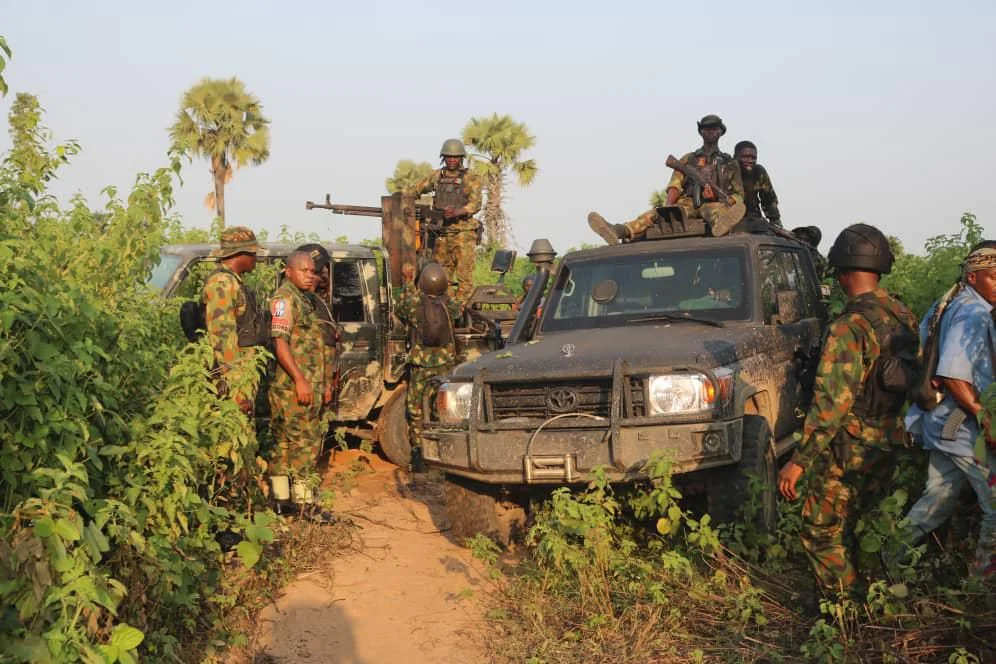
He said security forces are now putting pressure on terrorist groups and pushing them away from some areas they previously controlled.
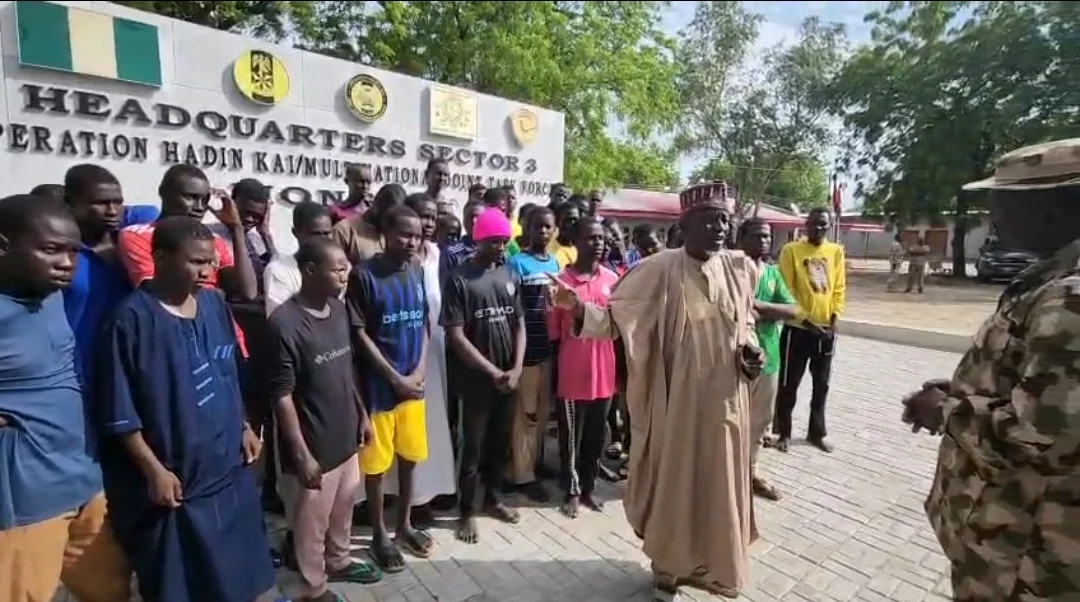
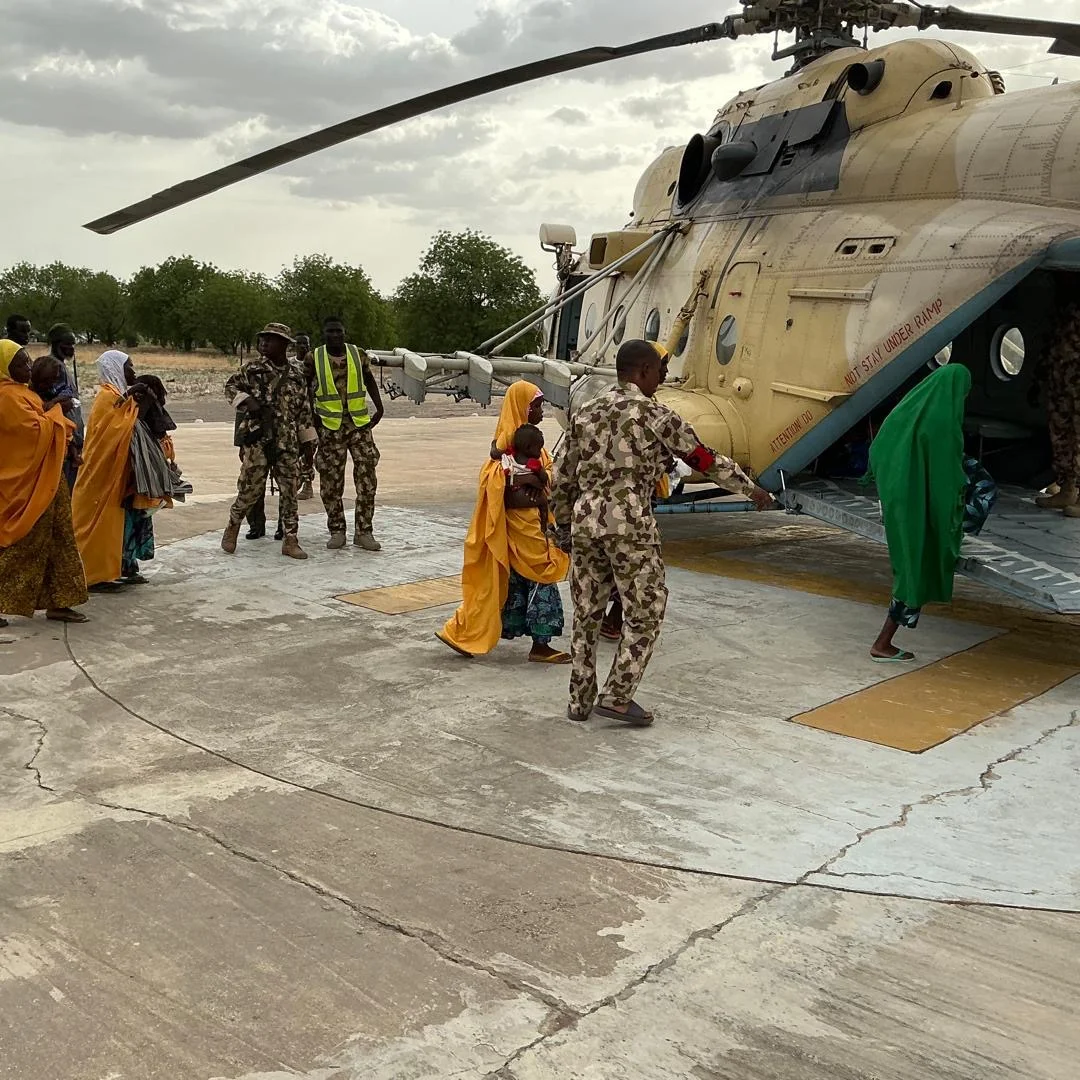
Musa also said troops have been moving into terrorist enclaves and recovering some people who had been abducted.
Kidnapping remains a major concern
Despite his assessment that terrorism and insurgency have reduced in some areas, Musa acknowledged that kidnapping and abduction remain serious security challenges.
He described kidnapping as one of the easier ways for criminal groups to raise money.
The minister’s comments come as insecurity continues to remain a major concern for Nigerians, particularly in parts of the North and other areas affected by banditry, kidnapping and armed violence.
The continuing use of motorcycles by criminals has also been a longstanding security concern because of their ability to navigate rural roads and difficult terrain.
Defence Minister calls for stronger local governments
Musa also linked insecurity to the poor functioning of some local governments.
According to him, effective local government administration is important in tackling security challenges because local authorities are closer to communities and can respond more effectively to problems affecting residents.
He stressed the need for local governments to function properly as part of broader efforts to address insecurity.
Musa speaks on Tinubu’s 2027 re-election campaign
The Defence Minister also addressed the 2027 general elections and his involvement in the All Progressives Congress (APC) presidential campaign team responsible for security.
Musa said insecurity would not prevent President Bola Tinubu from campaigning for another term.
He also defended his participation in the campaign team, arguing that his professional responsibilities as Defence Minister would remain separate from partisan politics.
“I am a professional,” Musa said, insisting that his priority remains protecting Nigeria.
He said the security agencies would work with all political parties to ensure a peaceful election.
‘We want a peaceful election’
Musa said the government would support the Independent National Electoral Commission (INEC) to ensure the 2027 elections are free, fair and credible.
He maintained that the country’s security forces have a responsibility to create an environment where Nigerians can exercise their democratic rights without fear.
“We want a peaceful election, so we are going to work towards that and we are going to work with all the parties,” he said.
The minister also said Nigeria needs to move beyond the recurring controversies surrounding elections.
He expressed confidence that the country could deliver a credible electoral process in 2027.
Why the motorcycle warning matters
Musa’s warning puts the spotlight on a difficult policy question facing state governments: how can authorities provide economic assistance to vulnerable Nigerians without unintentionally creating security risks?
Motorcycles are widely used across Nigeria for transportation, particularly in rural communities where roads and public transport networks are limited.
They can provide an important source of income for commercial riders, farmers and small-business owners.
At the same time, their mobility makes them attractive to criminal groups operating in remote areas.
The Defence Minister’s proposal therefore raises questions about how governments can balance economic empowerment, poverty alleviation and national security when designing palliative programmes.
For governors, the challenge will be finding ways to support struggling Nigerians while ensuring that government assistance does not inadvertently become an asset for criminal networks.
What Christopher Musa said
The Defence Minister’s central message was straightforward: governments should carefully consider the security implications of distributing motorcycles as palliatives.
He suggested that if motorcycles must be distributed, lower-capacity models could be considered to reduce their potential misuse.
His comments are expected to fuel further debate among state governments, security experts and Nigerians about the safest and most effective way to deliver palliatives to vulnerable communities.
Meanwhile, Musa said security agencies would continue working to reduce terrorism, kidnapping and other forms of insecurity ahead of the 2027 general elections.